 2026 isn’t bringing gentle change.
It’s bringing pressure – on systems, teams, and the way residential operations really work.
Rental reform, rising resident expectations, and increased regulatory scrutiny are converging at the same time, and they are exposing a hard truth for residential operators: many existing systems were not designed for the way residential living now operates.
So the real question as we head into 2026 isn’t just what’s changing — it’s:
Are your teams truly ready for what comes next?
This blog explores the forces reshaping residential operations in 2026, from legislative change to rising service expectations, and what they mean in practice for property teams on the ground.
Because the operators who feel confident in 2026 won’t be the ones working harder.
They’ll be the ones working differently.

Fire safety obligations continue to tighten, with frameworks such as PAS 79:2020 reinforcing the need for structured, documented fire risk assessments and clear resident communication around building safety.
At the same time, the Renters’ Rights Act is changing the fundamentals of tenancy management. With the abolition of Section 21, operators must now rely on Section 8 grounds – meaning possession cases will depend on evidence, not process shortcuts.
Together, these changes point to one reality:
In 2026, compliance is no longer about having the right policies.
It is about having the right operational records.

Operators must now be able to clearly prove:
- What residents were told
- When they were told
- How issues were handled
- What actions were taken
- And whether behaviour and payment history support any formal action
This requires far more than good intentions.
It requires auditable systems.
The Operational Challenge
For many operators today, this information is still spread across:
- Emails
- Maintenance platforms
- Paper records
- Individual staff knowledge
When evidence lives in fragments, risk increases.
Whether it’s demonstrating fire safety communication, responding to a complaint, or preparing a Section 8 case, operators need a clear, defensible record of resident activity, behaviour, and engagement.

Spike Living creates a single operational layer across your portfolio where:
- Resident communication is automatically recorded and time-stamped
- Interactions and behaviour are logged in one place
- Payment history and issue resolution can be viewed as part of a wider resident record
- Compliance activity becomes auditable by default
For tenancy enforcement under the Renters’ Rights Act, this means operators can move from uncertainty to confidence.
A Section 8 process can be initiated directly from the staff dashboard, supported by:
- Clear guidance and instructions for teams
- Structured workflows
- And the full history of resident communication and activity already in place
Instead of scrambling to assemble evidence, operators start from a position of strength.
Compliance stops being reactive, and starts becoming operationally built in.


In 2026, residents are no longer judging operators purely on the quality of the home – they are judging them on the quality of the experience.
Recent industry insight shows that what renters value most going into 2026 is a smooth, transparent renting experience – one that makes communication clear, processes simple, and issues easy to track. And increasingly, they also expect to be able to self-serve.
In practice, this means residents now expect:
- One clear place to find information
- The ability to log and track issues themselves
- Real-time visibility on repairs and requests
- Consistent communication on building matters
These are no longer “nice to haves”, they are baseline expectations.
When this experience breaks down, dissatisfaction escalates quickly — not just into frustration, but into complaints, reputational damage, and regulatory exposure. Because in today’s environment, poor experience doesn’t stay private. It becomes feedback. Reviews. Ombudsman cases. Formal complaints.
The issue isn’t that operators lack systems, it’s that residents experience those systems as fragmented.
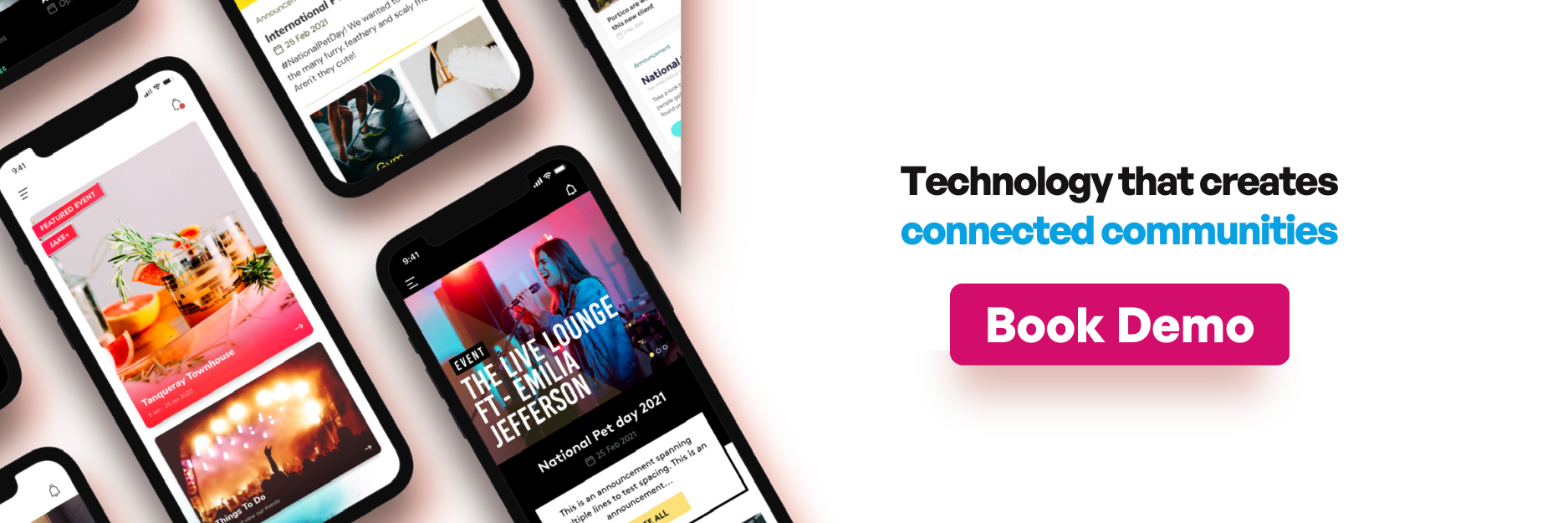
Spike Living becomes the resident-facing front door to your operation.
Residents can self-serve where it makes sense – accessing information, logging requests, tracking updates – while still knowing support is there when they need it.
Maintenance updates, building notices, deliveries, events, and key communications are surfaced in one consistent experience – even when they originate from different operational systems behind the scenes.
Residents gain clarity and confidence and stop chasing.
Teams gain control and visibility and stop firefighting.
Experience stops being a risk – and starts becoming a strength.


In 2026, portfolios are larger, teams are leaner, and scrutiny is higher.
Yet many operators are still relying on:
- Emails for critical updates
- Standalone tools that don’t talk to each other
- Manual workarounds to connect the dots
This doesn’t scale, and under pressure, it breaks. Fragmentation doesn’t just create inefficiency — it creates risk.
When communication is inconsistent and records are scattered, compliance becomes stressful and reactive. Evidence is hard to find. Processes are hard to prove, and teams are left hoping nothing important has been missed.
The strongest operational trend in 2026 is not “more tech”, it’s better-connected tech.

Spike Living doesn’t replace the systems that already work — it connects them.
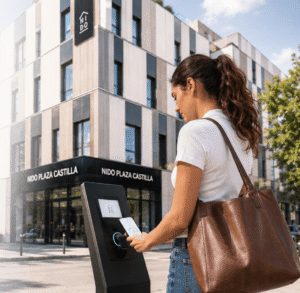
By integrating with finance platforms, maintenance systems, parcel solutions, access control systems and more, Spike Living creates a joined-up operational view, while presenting residents with one clear, simple experience.
Communication, updates, and resident interactions are centralised. Evidence is created automatically. Compliance becomes an outcome of good operations — not a separate task teams have to remember to manage.
That’s the difference between managing risk and constantly worrying about it.

The question operators face this year isn’t: “How do we keep up?”
It’s “Do our systems support the way residential living works now?”

Because in 2026:
Communication is no longer optional — it’s foundational
Compliance is no longer separate — it’s embedded
Experience is no longer a differentiator — it’s expected
Spike Living is designed for this reality — bringing together communication, compliance, and operations into one connected experience that supports the way modern residential portfolios truly operate.

If 2026 is the year you want to:
- Reduce operational risk
- Strengthen compliance without extra admin
- Meet rising resident expectations
- Replace fragmentation with clarity
Then it’s time to rethink how your systems work together.

 Book a demo of Spike Living and see how it can fundamentally change the way you operate — giving you the structure, visibility, and confidence you need for 2026 and beyond.