 Autumn has always carried a sense of a fresh start.
New jobs begin. Students graduate and relocate. Families settle into new routines. Summer plans come to an end and moves that have been sitting on the to-do list suddenly become a priority.
For rental operators, that can make autumn an important period for new resident arrivals. But while plenty of attention goes into getting someone from enquiry to signed tenancy, what happens immediately after they choose to live with you deserves just as much focus.
Because a successful move-in isn’t simply about handing over the keys; it is the beginning of the resident relationship.
The First Few Weeks Set the Tone
 Moving home is one of those moments when residents need a lot of information, often all at once.
How do I report a maintenance issue?
Where do parcels go? How do I book the gym?
Who do I contact if I have a question?
What events are happening?
Where can I find my documents?
For the operator, these may all be established processes. For somebody who moved in yesterday, everything is new.
The easier those first interactions are, the quicker a property can begin to feel like home.
That means thinking about onboarding as a resident journey, rather than an administrative checklist.
Welcome information should be easy to access. Important actions should be clear. Residents shouldn’t need to search through old emails, printed welcome packs or multiple systems simply to understand how their building works.
And, importantly, communication shouldn’t disappear once move-in day is complete.
Community Should Start Before Residents Have to Look for it

This is particularly relevant for people relocating to a new area.
Autumn moves can coincide with new jobs, new schools and people starting entirely new chapters of their lives. For many residents, the challenge isn’t simply finding a home; it is beginning to build a life around it.
That presents an opportunity for operators.
Rather than waiting for a resident to eventually discover the monthly social event or stumble across a community group, why not introduce those opportunities as part of onboarding?
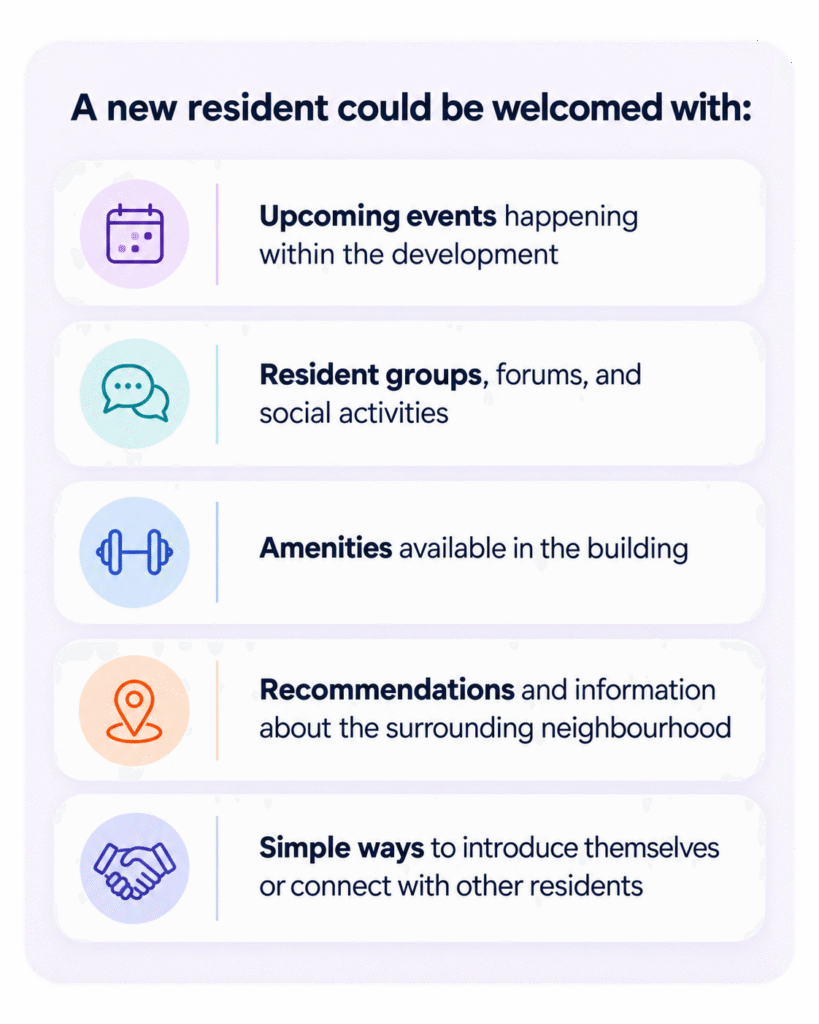

Social opportunities should be visible and accessible from the beginning.
Someone moving alone for a new job might appreciate knowing there is a running club. A family might be interested in a weekend event. Someone working from home may want to know about co-working spaces or resident groups.
Don’t Let the Move-In Experience Become Operationally Heavy
 There is another side to the autumn influx: scale.
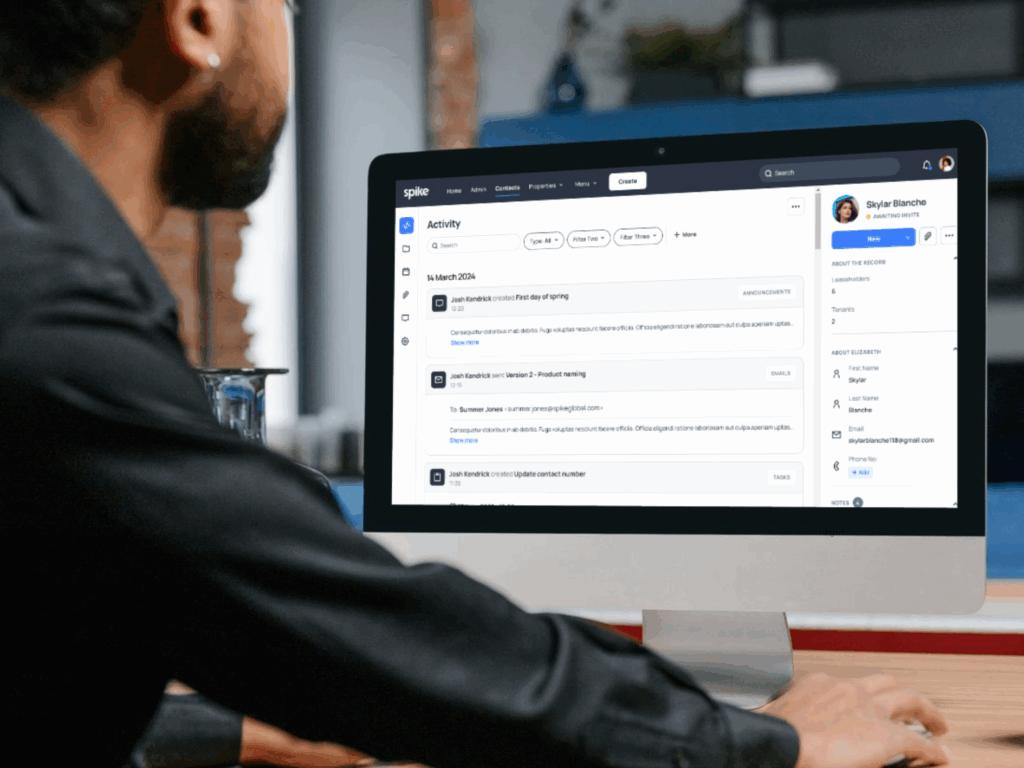
A strong period of leasing can mean property teams are welcoming multiple residents while simultaneously managing existing resident requests, maintenance, communications, events and day-to-day operations.
And the rental market remains busy. Rightmove reported in its latest Q2 2026 Rental Trends Tracker that available rental supply had fallen below the previous year’s level for the first time since 2022, while average advertised rents reached new records both inside and outside London.
When teams are busy, fragmented onboarding processes quickly create unnecessary administration.
Repeated questions, manual welcome emails, missed information and residents contacting teams simply because they don’t know where to find something all add to the workload.
The more of that journey operators can make consistent and self-service, the more time teams have for the interactions that actually require a human touch.
Move-in should be the start of engagement, not the end of onboarding
Perhaps the biggest opportunity is to stop viewing onboarding as something that finishes once the resident has collected their keys. The first few weeks are the ideal time to introduce residents to how they can interact with their building and community throughout their tenancy.
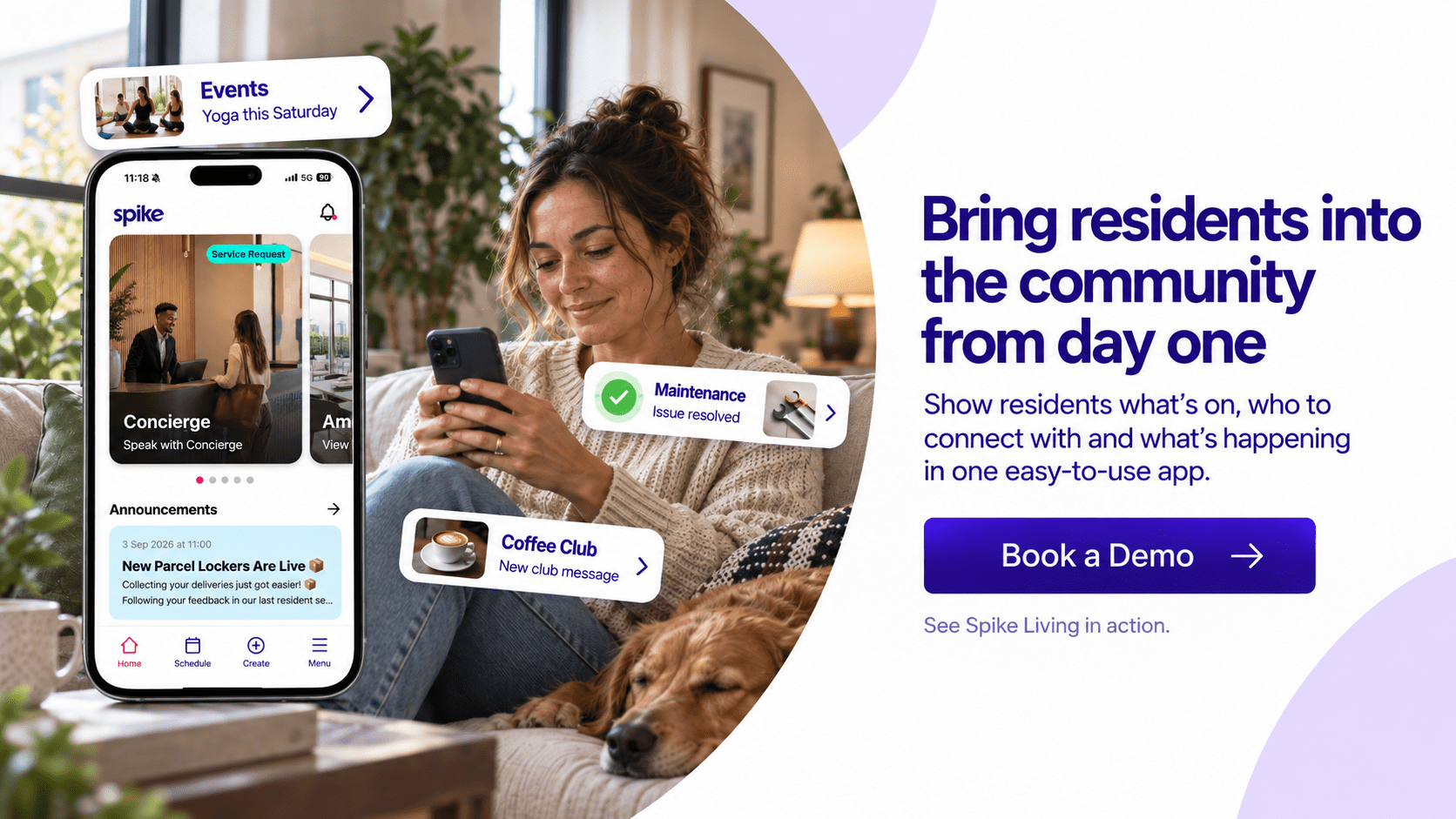
At Spike, we help operators bring that journey into one place through a convenient resident app – from accessing important information and services to receiving communications, discovering events and joining forum channels or social groups.
But the technology is only the facilitator. The bigger question for operators heading into a busy autumn period is:
Once a Resident Has Moved in, How Quickly Are You Giving Them a Reason to Feel Part of Where They Live?
Because filling a home is one thing, turning a new address into somewhere a resident genuinely wants to stay is another.