Categories
Insight

Building Safety Made Simple: Key Terms and Concepts

The Building Safety Act 2022 introduced significant changes to building safety regulations, aiming to enhance safety standards in residential properties across the UK. For property managers, leaseholders, and residents, understanding the Act’s key terms is crucial for ensuring compliance and improving safety.


This glossary provides clear, accessible explanations of essential terms to help all stakeholders navigate this complex legislation effectively.  

Key Terms and Definitions:

Accountable Person 

The Accountable Person is the individual or organisation responsible for ensuring the safety of a high-rise residential building. This role typically falls to the building owner or landlord, who must manage fire and structural risks, maintain safety standards, and communicate effectively with residents. The Accountable Person is legally obliged to ensure that the building meets safety regulations and that necessary safety measures are in place and maintained. 


Approved Document B (ADB) 

Approved Document B is a part of the UK Building Regulations that provides guidelines on fire safety, including design, construction, and management practices. It outlines requirements for fire detection, fire suppression systems, and safe evacuation routes. Property managers must ensure that their buildings comply with ADB to meet legal safety standards. 


Awaab’s Law 

Awaab’s Law is a key provision in the Building Safety Act 2022 that mandates landlords and property managers to ensure that residential properties are free from hazards that could lead to serious harm, including risks associated with damp and mould. The law emphasises the responsibility of property managers to respond promptly to residents’ complaints about such hazards and to take appropriate action to rectify issues.


This provision aims to enhance the living conditions for tenants, particularly in the context of high-rise buildings, by ensuring that health and safety standards are upheld. Property managers are required to maintain clear communication with residents regarding the identification and resolution of any safety concerns related to damp and mould, thereby prioritising tenant well-being and safeguarding their health.

Building Safety Act 2022 

The Building Safety Act 2022 is a comprehensive piece of legislation that overhauls building safety regulations across England. It establishes new safety protocols, defines the roles and responsibilities of those involved in building design, construction, and management, and aims to prevent incidents like the Grenfell Tower fire by enhancing safety measures for high-rise residential buildings. 


Building Safety Fund 

The Building Safety Fund is a government programme designed to help leaseholders in residential buildings with unsafe cladding. It provides financial assistance to cover the costs of removing and replacing dangerous cladding materials, thereby reducing fire risks. Property managers can guide leaseholders on accessing this fund to ensure necessary safety upgrades are made without financial burden on the residents. 


Building Safety Manager 

The Building Safety Manager is a qualified professional appointed to oversee and implement safety measures in high-rise buildings. This role involves working closely with the Accountable Person to manage fire and structural safety risks, conduct regular inspections, and ensure compliance with the Building Safety Act 2022. Residential property managers may either assume this role or coordinate with the Building Safety Manager to maintain high safety standards. 


Building Safety Regulator 

The Building Safety Regulator is a new authority established under the Building Safety Act 2022, responsible for overseeing the safety of high-rise residential buildings. Part of the Health and Safety Executive (HSE), the regulator enforces building safety regulations, provides guidance to stakeholders, and ensures compliance with safety standards. Residential property managers will work with the Building Safety Regulator to ensure that their buildings meet the necessary safety requirements. 


Cladding 

Cladding refers to the external covering or envelope of a building, which can include panels, tiles, or layers attached to the structure. Some types of cladding, particularly those made of combustible materials, have been found to pose significant fire risks. The Building Safety Act 2022 mandates the replacement of unsafe cladding materials to prevent such hazards. Property managers should be aware of the types of cladding used in their buildings and ensure they meet current safety standards. 


Competent Person 

A Competent Person is someone with the necessary skills, knowledge, and experience to carry out specific tasks safely and effectively under the Building Safety Act 2022. This could include carrying out fire risk assessments or installing safety systems. Property managers should ensure that only competent persons are employed for tasks that impact building safety to maintain compliance and safety standards. 


Dutyholder 

A Dutyholder is any individual or organisation with legal responsibilities under the Building Safety Act 2022 for ensuring building safety. This includes architects, contractors, owners, and property managers who must ensure that buildings comply with safety regulations. Dutyholders are responsible for managing safety risks and maintaining building safety systems. 


EWS1 Form (External Wall Fire Review) 

The EWS1 Form is a document used to assess the safety of external wall systems, including cladding, on residential buildings. It is often required by mortgage lenders to ensure that a building’s exterior complies with safety standards. Property managers should facilitate EWS1 assessments and ensure that their buildings meet the necessary criteria to support leaseholders in their financial transactions. 


Fire Compartmentation 

Fire compartmentation refers to the design and construction features of a building that limit the spread of fire and smoke within separate areas or compartments. This includes walls, floors, and doors designed to contain a fire to a specific section of the building. Property managers should ensure that fire compartmentation measures are in place and maintained to protect residents and comply with safety regulations. 


Fire Risk Assessment 

A Fire Risk Assessment is a systematic evaluation of a building to identify fire hazards, assess the risk to occupants, and determine the necessary safety measures to mitigate those risks. This assessment is crucial for ensuring that buildings meet fire safety standards. Property managers should conduct regular fire risk assessments and implement any recommended measures to ensure tenant safety. 


Golden Thread 

The Golden Thread is a term used to describe the collection and management of accurate and up-to-date information about a building throughout its lifecycle. This information includes design, construction, and maintenance details, ensuring that dutyholders can make informed decisions about building safety. Property managers must maintain a comprehensive and accessible Golden Thread to facilitate compliance and ensure effective safety management. 


Higher-Risk Building (HRB)

A Higher-Risk Building (HRB) refers to buildings that meet specific criteria set out under the Building Safety Act 2022 due to their potential for increased fire and structural risks. This typically includes residential buildings that are 18 metres or more in height or have 7 or more storeys, and that contain at least two residential units.


These buildings are subject to stricter safety regulations and oversight, including mandatory reporting, safety case reports, and adherence to enhanced fire and structural safety measures. The designation of HRBs ensures that their unique risks are proactively managed to safeguard residents.


For property managers, understanding HRB requirements is crucial for compliance. Implementing tools to track and manage these requirements effectively can help ensure the safety of both the building and its occupants.


Housing Ombudsman Report

The Housing Ombudsman Report is an official publication issued by the Housing Ombudsman, highlighting systemic issues in the housing sector and providing recommendations for improvement.


The report may include case studies, trends, and insights related to complaints, service delivery, and building safety concerns. For property managers, the report serves as a valuable resource to understand tenant grievances and implement proactive measures, such as leveraging technology solutions to improve compliance and engagement.

Leaseholder 

A Leaseholder is an individual who holds a lease to occupy a property for a specific period. Under the Building Safety Act 2022, leaseholders have certain rights and responsibilities, particularly concerning safety and the cost of remedial works on unsafe cladding or other hazards. Property managers should communicate clearly with leaseholders about their obligations and assist them with any safety-related issues. 


Personal Emergency Evacuation Plans (PEEPs) 

Personal Emergency Evacuation Plans (PEEPs) are tailored plans designed to ensure the safe evacuation of individuals with specific needs or disabilities during an emergency. These plans consider the unique requirements of each individual, such as mobility challenges, and outline clear steps for their safe evacuation. Property managers should work with residents to develop and maintain up-to-date PEEPs, ensuring that everyone in the building can evacuate safely in an emergency.

Principal Accountable Person (PAP) 

The Principal Accountable Person (PAP) is the primary individual or organisation responsible for ensuring the safety and compliance of a building under the Building Safety Act 2022. The PAP oversees the building’s safety management, coordinates with other accountable persons, and ensures all safety measures are implemented and maintained. They are crucial in maintaining a safe environment for all occupants and ensuring compliance with the Act’s requirements. 


Principal Contractor 

The Principal Contractor is the main contractor responsible for coordinating and managing the construction phase of a project. They ensure that all work is carried out safely and in compliance with building regulations. Property managers must ensure that the Principal Contractor adheres to safety protocols and communicates effectively with all stakeholders involved in the project. 


Remediation 

Remediation refers to the process of making a building safe by addressing identified hazards or defects. This may involve replacing unsafe cladding, repairing structural issues, or improving fire safety systems. The Building Safety Fund can be utilised to assist with remediation costs. Property managers must ensure that remediation work is carried out promptly and effectively to maintain safety and compliance. 


Resident Engagement Strategy (RES)

The Resident Engagement Strategy (RES) is a plan developed by the Accountable Person to communicate effectively with residents about safety matters. It includes mechanisms for gathering feedback from residents, ensuring transparency, and involving them in safety-related decisions and actions. Residential property managers play a key role in developing and implementing these strategies to keep residents informed and engaged in safety matters. 

Safety Case Report 

The Safety Case Report is a comprehensive document that outlines how a high-rise residential building is managed to ensure safety. It includes details of fire and structural risk assessments, safety measures in place, and plans for ongoing risk management. This report is required to be regularly updated and submitted to the Building Safety Regulator. Property managers should coordinate with safety professionals to prepare and maintain this report to ensure compliance and safety. 


Safety Certificate 

A Safety Certificate is an official document that confirms a building has met specific safety standards and requirements. It is issued after inspections and assessments have been conducted and is necessary for the legal operation of high-rise residential buildings. Property managers are responsible for obtaining and maintaining up-to-date safety certificates for their buildings. 


Safety Management System 

A Safety Management System is a formal framework that helps organisations identify, assess, and manage safety risks. It includes policies, procedures, and practices designed to ensure the safety of a building’s occupants and the compliance of the building with relevant legislation. Residential property managers should implement robust safety management systems to protect tenants and comply with the Building Safety Act 2022. 


Section 20 Consultation 

A Section 20 Consultation is a legal process under the Landlord and Tenant Act 1985 that requires landlords to consult with leaseholders before undertaking major works or entering into long-term agreements that will cost leaseholders more than a specified amount. This process ensures that leaseholders are informed and can provide feedback on the proposed works. Property managers must facilitate this consultation process and ensure compliance with the relevant legal requirements. 


Temporary Safety Measures 

Temporary Safety Measures are interim actions taken to ensure the safety of a building and its occupants while permanent solutions are being implemented. This may include installing fire alarms, implementing evacuation plans, or conducting regular safety checks. Property managers should assess and implement necessary temporary safety measures to protect residents and comply with safety regulations. 

Summary 

Staying ahead of the curve is essential for residential property managers, leaseholders, and residents to ensure safety and compliance under the Building Safety Act 2022. 

Ready to Take the Next Step? Book a Demo Today! 

With powerful communication features, document management, reporting, automated task scheduling and more, Spike’s solutions are designed to simplify compliance, streamline safety management, and ensure you meet all legal obligations.


Get in touch with our team today to learn how our solutions can help you become more compliant and confident in your building safety practices.


 Your journey to compliance and enhanced building safety begins with Spike. 

Categories
Insight

Property Trends to Watch in 2025: How to Stay Ahead of the Curve

Property operators today face increasing pressure to juggle building safety, sustainability, and resident satisfaction – all while staying compliant and managing admin-heavy processes. With 2025 bringing new regulations and rising resident expectations, the need for smart, streamlined solutions has never been greater. Staying competitive in a rapidly changing market means adopting technology that not only improves operational efficiency but also enhances resident satisfaction and engagement.


Fortunately, innovative platforms like Spike are transforming the way operators manage properties, easing admin burdens and driving stronger engagement.


Here are the key property trends to watch in 2025 and how Spike can help future-proof your developments:

1.) Focus on Building Safety and Compliance

Safety and compliance will remain a top priority, especially with evolving regulations. Property managers must ensure buildings meet updated health, fire, and safety standards. New regulations under the UK Building Safety Act 2022 will become mandatory in 2025, requiring property managers to provide regular building safety reports and resident communication regarding safety measures. According to Property Wire, landlords in 2025 will also need to maintain robust risk assessments and ensure that emergency procedures are clearly communicated to all residents, highlighting the increasing responsibility placed on landlords to proactively manage building safety.


The HomeViews Build-to-Rent Report 2024 revealed that resident satisfaction reached its highest level in 2024, marking a strong rebound from the dip experienced in 2022. Management ratings saw the greatest improvement, with 46% of reviews for the top 10 communities highlighting ‘quick,’ ‘prompt,’ or ‘efficient’ responses. This underscores the vital role of professional and responsive management teams in boosting resident satisfaction. Investing in platforms like Spike not only streamlines building safety and compliance but also enhances communication and overall resident experience – key factors in maintaining high satisfaction levels. 


How to Adapt: Staying on top of safety audits is essential, and leveraging Spike’s maintenance management feature to schedule and automate routine maintenance tasks ensures that essential checks, such as fire alarm testing and emergency lighting inspections, are never overlooked. By automating regular safety checks and workflows, Spike can reduce admin time by up to 30%, freeing up your team to focus on resident experience and property growth.


Leveraging Spike’s maintenance management feature also allows residents to easily log maintenance requests through the app, ensuring these are sent directly to property management. Critical tasks can be prioritised, preventing essential issues from being overlooked or lost in communication. This streamlined process enhances operational efficiency while improving resident satisfaction.


Property managers can also share building safety updates and necessary documentation with residents fosters transparency and trust. Additionally, scheduling regular safety training for both residents and staff can create a culture of awareness and preparedness, further strengthening building safety protocols.


Imagine this: A resident reports a leaking tap through their resident app, and the request is automatically assigned to the nearest available technician. The resident receives real-time updates, and the issue is resolved within 24 hours. No phone calls, no follow-ups. This level of seamless interaction enhances satisfaction and reduces the admin burden on your team. 

2.) Sustainability as a Standard

Sustainability is no longer a differentiator; it’s an expectation. In 2025, residents will demand eco-friendly living spaces that minimise environmental impact. This includes energy-efficient buildings, green spaces, and waste reduction initiatives.


According to a 2024 survey by JLL, 74% of tenants are willing to pay a premium for properties with sustainable features, and 65% expect landlords to implement green initiatives. Additionally, new legislation such as the UK’s Future Homes Standard, set to take effect in 2025, will require new builds to produce 75-80% less carbon emissions than current homes.


The energy bills surge and the cost-of-living crisis, which continues into 2025, has increased awareness of energy efficiency, with one in five tenants stating it will be a major factor when choosing a home.


How to Adapt: Going green isn’t just about meeting regulations – it’s what your residents want. With Spike, you can drive sustainability initiatives that get your community involved, reduce energy use, and boost property value. Spike can promote community recycling events and share sustainability tips, fostering a culture of green living. Having a green culture in place can enable property management to apply for certifications such as BREEAM or LEED further solidify a property’s commitment to sustainability, increasing property value and appeal. 

2.) Community-Driven Engagement

Residents are increasingly valuing connection and community within their living environments. Engaged communities lead to higher retention rates and improved resident satisfaction. A recent study by NMHC found that 83% of residents are more likely to renew their lease if they feel a sense of community in their building. This trend is driven by the increasing desire for social interaction post-pandemic and a growing demand for curated community experiences.


To inspire engagement and build a stronger sense of community, consider organising events, fitness classes, or communal projects. Property managers have seen great success by hosting ‘meet your neighbour’ nights, themed holiday events, and interactive workshops, such as cooking or DIY classes, all of which foster interaction and create lasting relationships among residents.


How to Adapt: Spike’s award-winning resident engagement platform makes it easy to foster communication and build connections. By organising events, conducting resident surveys, and facilitating community feedback, Spike helps property managers strengthen bonds and create vibrant living environments. Developing wellness programs, shared interest groups, and networking events further cultivates a thriving, connected community that residents want to be part of. 

3.) Tech-Enhanced Living

Smart home integrations and app-based resident portals will continue to redefine convenience and security in 2025.

A recent survey by NMHC found that 73% of residents express a strong preference for buildings with resident apps, citing convenience and communication as key benefits, and this number is expected to rise.

As demand for seamless digital interactions grows, property managers are recognising the importance of investing in resident-facing technology to attract and retain tenants. 


How to Adapt: With Spike, property managers can offer a fully digitalised living experience, encompassing keyless entry systems, parcel management solutions, digital concierge services and more. Our integration with Utopi smart meters also allows for real-time energy tracking, empowering residents to monitor and optimise their consumption. This seamless, app-based approach not only enhances convenience but also strengthens security and operational efficiency across the property. 

4.) Flexible and Hybrid Spaces

As remote working continues, residents seek developments with adaptable spaces for work and leisure. Multi-use communal areas and co-working spaces will rise in demand. A Knight Frank report highlights that 67% of renters are looking for properties with dedicated co-working spaces, and 59% consider flexible amenities a deciding factor when choosing a property.


What’s more, according to the HomeViews Build-to-Rent Report 2024, the most common amenities in top-rated communities include co-working spaces, resident lounges, and multi-use communal areas. These spaces not only enhance day-to-day living but also provide the versatility residents crave – allowing for quiet work environments during the day and social gatherings in the evening. Properties that offer these features consistently receive higher satisfaction ratings and experience better retention rates.


How to Adapt: Spike simplifies the management of communal spaces by facilitating digital bookings and tracking availability, ensuring fair access for all residents. Repurposing underutilised areas into co-working or relaxation spaces can cater to evolving needs, while modular designs allow for easy reconfiguration to suit different purposes. This adaptability creates a more vibrant living experience, enhancing property appeal to modern renters.  

Make 2025 Your Year of Transformation with Spike

As we move into 2025, the property sector will be driven by sustainability, building safety, and tech-enabled community engagement. Embracing these trends will be crucial for enhancing operational efficiency and resident satisfaction.


At Spike, we’ve empowered our clients to stay ahead of the curve, transforming their developments year after year. Now, it’s your turn.


Book a demo today and discover how Spike can help you navigate the future of property management in 2025 and beyond!

Categories
Insight

Spike’s 2024 Charity Round Up


As 2024 comes to an end, we reflect on a meaningful year working alongside Hope for Food, our chosen charity partner. At the start of the year, we committed to making a difference in our local community by supporting their vital mission to combat food poverty and provide assistance to vulnerable individuals.


Hope for Food work tirelessly to ensure that no one in our area goes hungry, offering meals, food parcels, and support services to those in need. Their dedication to community well-being perfectly aligns with our values at Spike, and we are proud to have supported their efforts through volunteering, fundraising, and donations.

Volunteering: Supporting the Community Hands-On

Community Meals Initiative

A key part of our charity work this year was volunteering at Hope for Food’s incredible community meals initiative. Throughout the year, our colleagues generously opened up their own kitchens to prepare and cook a variety of hot meals. Once the meals were ready, serving teams transported them to Hope for Food’s community meals initiative in Bournemouth, where we joined forces with the charity and volunteers to set up tables and help distribute hot meals, clothing, and more, whilst engaging in meaningful conversations with guests, ensuring everyone felt supported and listened to.


The impact of this work was profound. For many guests, it was their first hot meal in days – a simple yet vital necessity that brought comfort and nourishment. The provision of clothing and other essentials addressed immediate physical needs, while the act of engaging in conversation helped alleviate feelings of loneliness and isolation, which are closely linked to homelessness.


We were amazed by the number of regular volunteers who dedicate their time to this initiative. Their tireless efforts and unwavering commitment to supporting those in need were truly inspiring. The community meals provided a safe space where individuals are treated with dignity and respect. Witnessing the strength of our community coming together in solidarity and compassion was a humbling experience and one that left a lasting impression on all of us.


Food Bank Donations

To further support Hope for Food, we delivered food donations filled with essential items to help restock the charity’s shelves. These contributions included pantry staples, toiletries, and other necessities, providing support to families in our local area.


As part of this initiative, we set up a food donation box in our office, where staff could contribute items such as tinned goods, tea bags, and pasta sauces. This simple effort fostered a spirit of generosity among our team. By working together, we were able to meet immediate needs and help families facing food insecurity.


Fundraising: Uniting for a Cause

Run Bournemouth 2024

A highlight of our charity efforts was our participation in Run Bournemouth 2024. In October, a team of Spike colleagues took to the streets, running the Supersonic 10k route to raise funds and awareness for Hope for Food.


The event was more than just a race; it was a chance to come together as a team, push our limits, and show solidarity for a cause that supports so many. The energy of the day, shared with colleagues and members of the community, exemplified the spirit of our commitment. The funds raised went directly to Hope for Food’s invaluable work in providing meals and essential support services. 


Bournemouth Plane Pull 2024

We also joined forces with Burns Hamilton, Dorset Mind, and Lyall Coffee to take part in the Bournemouth Plane Pull on the August bank holiday. This unique challenge involved pulling a 37,000kg Boeing 737 in just 43 seconds, all in support of Dorset Mind’s vital mental health services.


Thanks to the combined efforts of everyone involved, we raised close to £5,000, helping to support Dorset Mind’s mission to provide essential mental health services. The Plane Pull wasn’t just about strength – it was a powerful statement about our commitment to supporting those battling mental health challenges and promoting awareness in our community.


Macmillan Coffee Morning

We also held a Macmillan Coffee Morning to support those living with cancer. Staff brought in a delightful array of cakes, pastries, and other treats, creating a feast that not only satisfied sweet cravings but also raised over £500.


These funds will help Macmillan continue their incredible work, funding nurses and support lines for individuals and families affected by cancer. This event highlighted the generosity and community spirit of the Spike team, showcasing our dedication to making a difference across various causes.


A Year of Compassion and Collaboration 

Through a combination of volunteering efforts, fundraising activities, and the incredible support of our colleagues and partners, we’ve made a tangible difference in supporting vital community initiatives this year. Together, we raised significant funds and contributed countless hours to help Hope for Food and other charitable causes. These efforts provided essential resources such as meals, clothing, and support services for vulnerable individuals and families.


The impact of our charity work extended beyond financial contributions. By organising volunteering and fundraising events, we brought our team closer together, fostering a strong sense of camaraderie and purpose. These shared experiences strengthened our company culture, creating a more collaborative, compassionate, and engaged workplace. The benefits of these efforts were felt not only by the communities we supported but also within Spike, as staff well-being and morale flourished.


Thank you to Hope for Food

Hope for Food’s unwavering dedication and hard work have been truly inspiring throughout our partnership. Their tireless efforts to combat food poverty and support those in need have had a profound impact on the local community. It has been an honour to work alongside their incredible team this year, and we have learned so much from their expertise and passion.


As our Charity of the Year for 2024, Hope for Food set a remarkable example of what can be achieved when we work together to support those in need. This partnership has not only made a difference in the lives of others but has also left a lasting impression on everyone here at Spike.


Learn more about Hope for Food and how you can support their work here


What’s next? 

As this year draws to a close, we’re excited to build on the momentum of our 2024 initiatives and continue our commitment to giving back.


Stay tuned for the announcement of our 2025 Charity of the Year in January, we can’t wait to embark on another impactful journey!

Categories
Insight

Reflecting on 2024: Navigating Challenges and Driving Innovation in Property Management

2024 has been a year of significant transformation for the property industry, marked by stricter regulations, economic challenges, and evolving social expectations. These dynamics have demanded adaptability, innovation, and resilience from property managers and solution providers alike.


At Spike, we have embraced these challenges, adapting and enhancing our solutions to empower our clients and meet the ever-changing demands of the industry. Here’s how we’ve supported our clients in overcoming the year’s most pressing challenges:

1.) Addressing Stricter Building Safety Legislation

The Building Safety Act, which has brought on other critical regulations such as Awaab’s Law and The Leasehold and Freehold Reform Act 2024, has mandated that building operations implement robust building safety strategies.


These changes are not merely recommendations, but legal requirements designed to enhance safety and accountability. The introduction of these measures has intensified the demand for effective tools to manage compliance and communication.


Spike has risen to the challenge by enhancing Spike Living to meet these new legislative demands. Our platform empowers property operators to achieve the ‘golden thread’ of building safety and boost compliance by providing:


Centralised Document Management and Information Sharing 

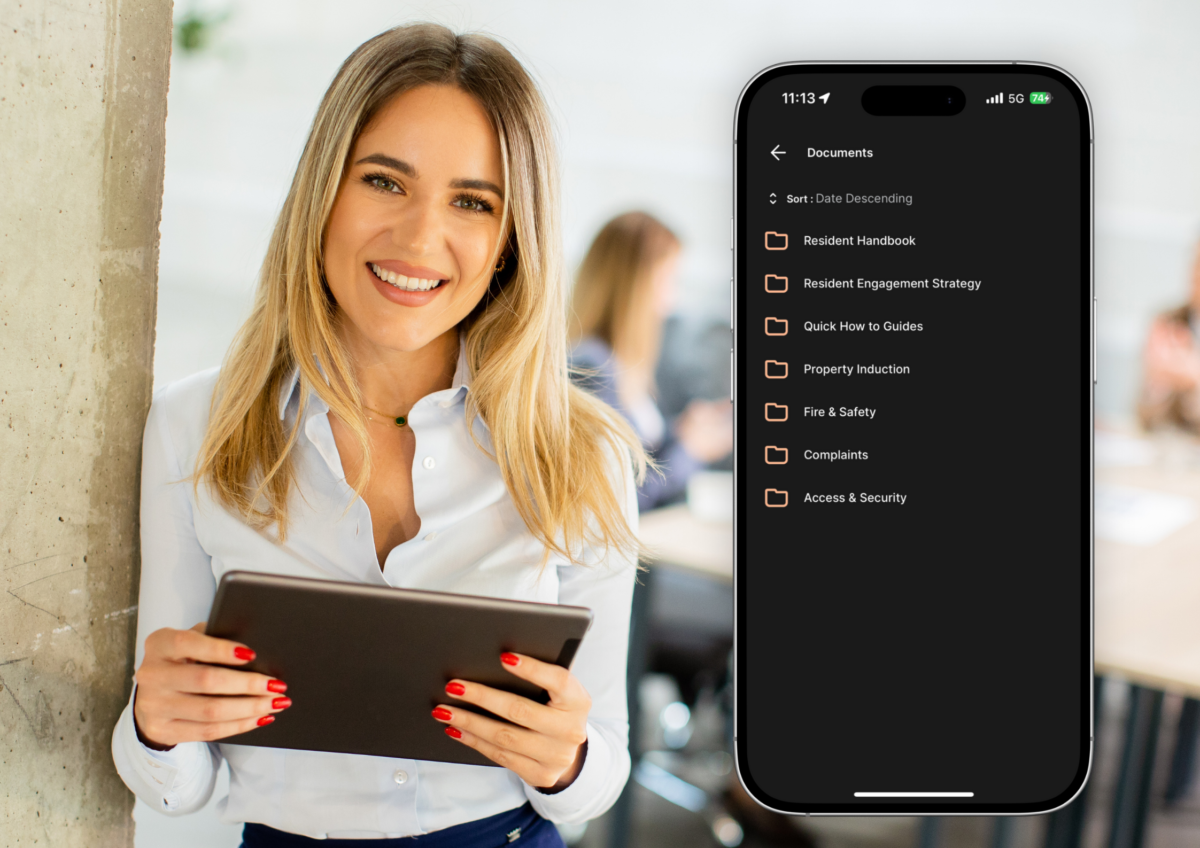
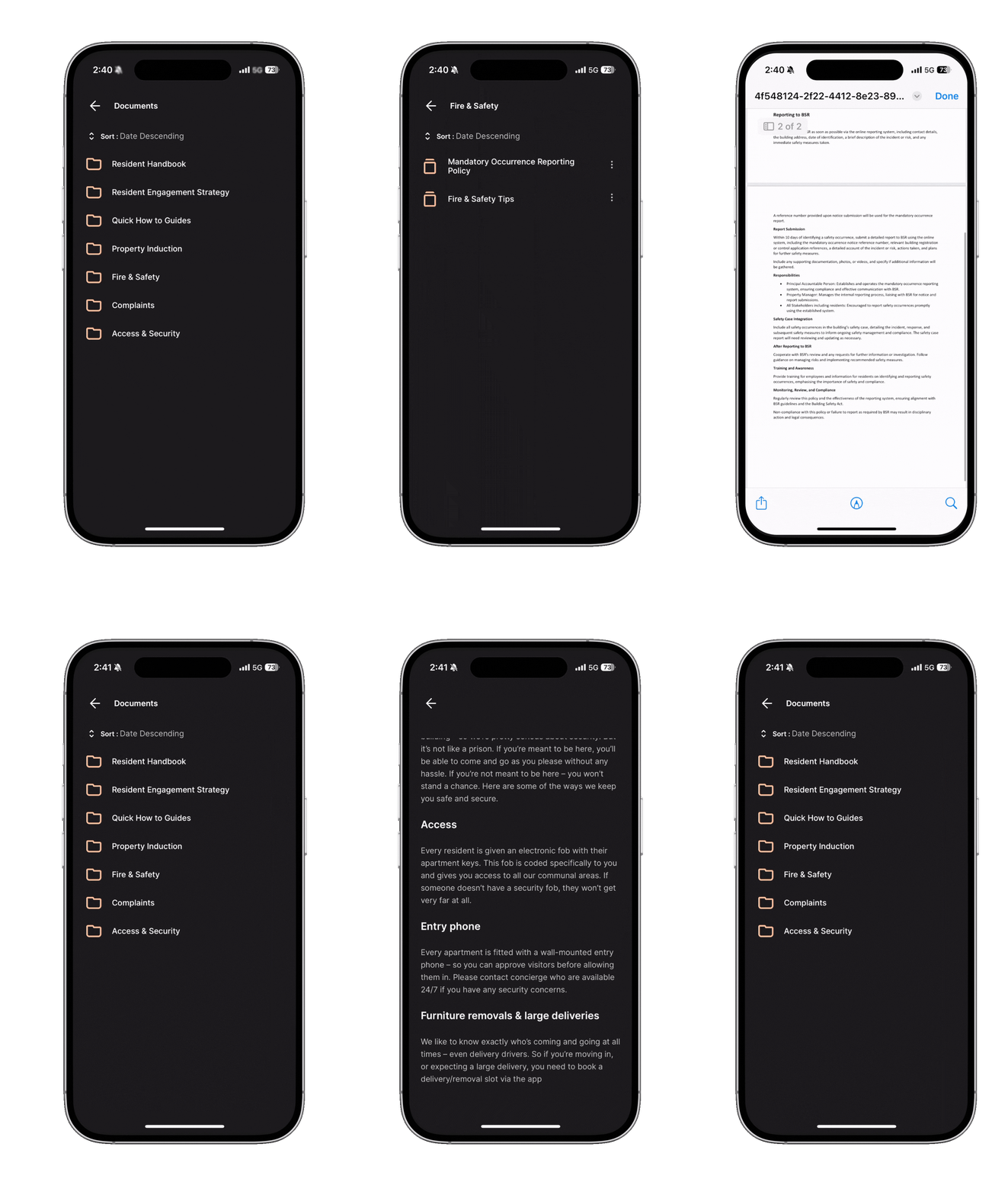
Our platform enables secure document sharing, allowing property managers to upload and distribute essential materials such as floorplans, fire evacuation plans, and resident engagement strategies. This functionality supports compliance with legal requirements while ensuring residents have access to critical safety information at all times.


Resident Maintenance Handling 

Residents can easily submit maintenance queries through the platform, ensuring property management teams can view and resolve these issues quickly. This system enhances the speed and efficiency of maintenance handling, ensuring issues are addressed in a timely manner. This not only helps meet resident expectations for service but also prevents potential safety concerns from escalating, maintaining compliance and resident trust. 


Scheduling and Automation of Maintenance Tasks 

Our platform automates the scheduling and reminders for routine maintenance tasks such as fire door inspections and ventilation checks. This proactive approach is essential for compliance with building safety legislation, including Awaab’s Law, which prioritises mould prevention and overall fire safety. By automating these checks, property managers can stay ahead of required standards, ensuring that crucial safety measures are consistently carried out, reducing risks and safeguarding the wellbeing of residents. 


Streamlined Communication 

Real-time updates and announcements ensure that residents receive critical safety information promptly. Residents are also able to access the concierge around the clock with the build in live chat feature. By integrating automated notifications and a user-friendly interface, Spike Living fosters transparency and builds trust between residents. 


Audit Trails to Achieve the Golden Thread 

Our platform automatically tracks all interactions, document exchanges, and updates. This clear, accessible record is invaluable for demonstrating compliance, aiding building operators in adhering to stringent legal requirements. 


As well as many more features which have been instrumental in helping the industry tackle the complex demands of the new legislation while prioritising resident safety and confidence.

2.) Supporting Property Managers and Residents Through Economic Pressures and Wellness Challenges 

Economic challenges, including inflation and the ongoing cost-of-living crisis, as well as the property management shortage, have placed increased strain on both property managers and residents.


Simultaneously, societal shifts have amplified the importance of health, wellness, and community connections. Residents now prioritise living environments that support mental and physical well-being, seeking spaces that foster social interaction, sustainability, and personal growth.


Spike Living addresses these intertwined concerns by offering tools and integrations that streamline operations while fostering well-being:


Resident Wellness

Spike Living’s enables property managers to create healthier, more connected communities by providing features designed to support both physical and mental well-being. Through the platform, managers can promote wellness-focused events, such as yoga classes or mental health workshops, and facilitate access to amenities designed for relaxation or fitness. By fostering such initiatives, property managers can enhance resident satisfaction and create a more vibrant sense of community.


Property Management Wellness

Recognising the pressures faced by property management teams, Spike Living introduces automation tools that alleviate administrative burdens. By digitising repetitive tasks such as maintenance scheduling, rent collection, and document sharing, the platform allows teams to focus on high-value activities, reducing stress and improving productivity. These efficiencies, coupled with seamless integrations like Fixflo or Quadient, streamline operations and maintain high service standards, contributing to better work-life balance for property managers. 


These features not only improve the well-being of communities but also help property managers navigate economic pressures, elevating the overall value and appeal of residential developments.

3.) Championing Sustainability Amid Tightening Energy Efficiency Standards 

With governments prioritising energy efficiency and climate action, 2024 has seen the introduction of measures to meet ambitious carbon neutrality and energy efficiency goals.


The Energy Performance of Buildings Directive (EPBD) has mandated stricter energy ratings for residential properties across Europe, impacting residential property management practices. Additionally, the cost of energy has remained high, increasing the urgency for sustainable practices to reduce costs and emissions.


With sustainability a top priority, property managers have turned to digital solutions to minimise their environmental impact. Spike Living has been a valuable partner in this transition, offering features that support greener property management practices: 


Paper-Free Operations

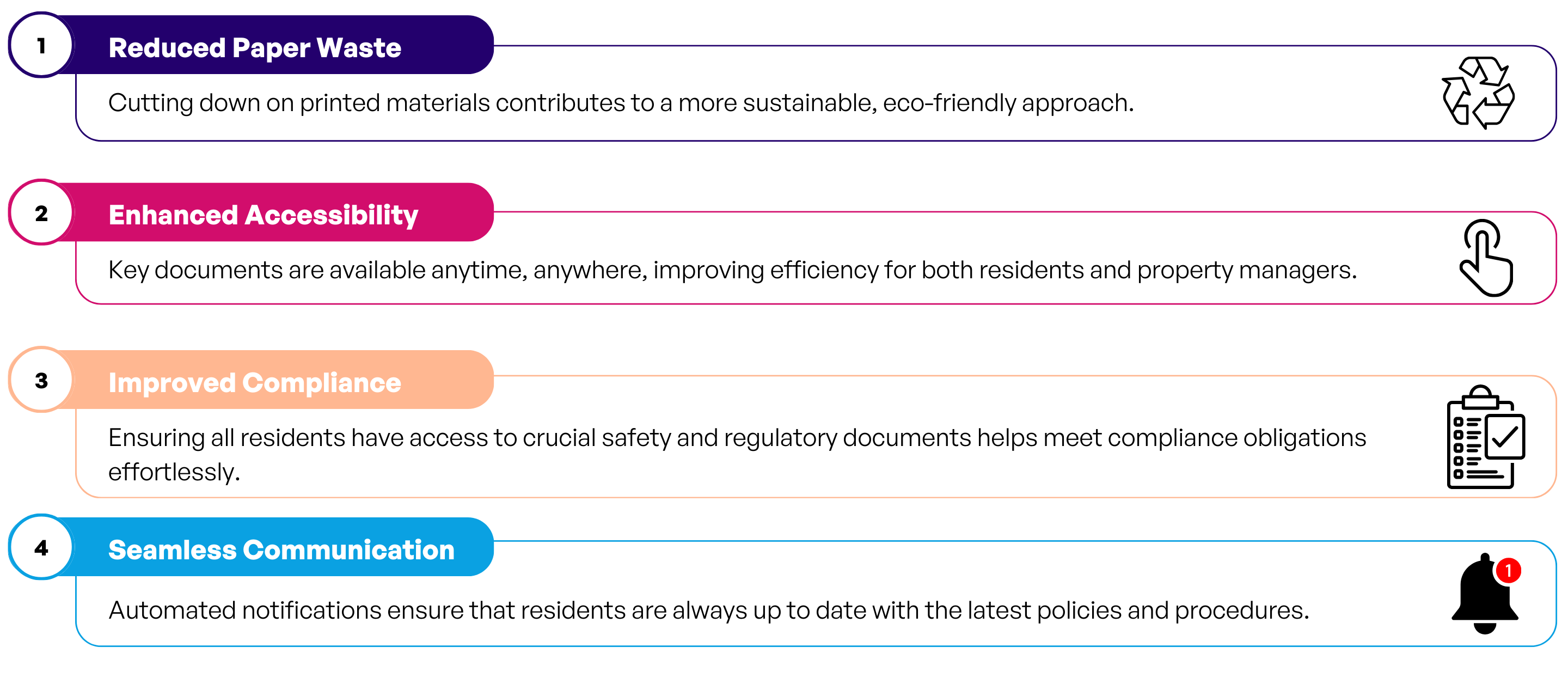
Spike Living is entirely digitised, allowing property managers to operate without paper. This approach supports sustainability by reducing waste, contributing to more eco-friendly management practices, and enhancing operational efficiency.


Energy Initiatives and Community Engagement 

Through the portal, managers can promote green living initiatives, such as community recycling programmes or energy-saving tips, fostering a culture of sustainability among residents. This can be facilitated through the event booking feature, dedicated sustainability forums and more.

Future Ready: Innovating for Tomorrow’s Property Management 

As 2024 comes to a close, Spike remains committed to continuous innovation and adaptability. We understand that the challenges faced this year are just the start of an ongoing industry-wide transformation. By staying ahead of legislative, economic, and social changes, we aim to empower property managers and operators to thrive in an ever-evolving landscape.


Spike Living is continuously scalable and adaptable, designed to grow with the needs of our clients and the changing property management landscape. Through continuous advancements in our technology and anticipation of future trends, we help our clients not just overcome challenges, but excel in delivering exceptional resident experiences. 


Ready to make 2025 your most successful year yet? Get in touch today to see how Spike Living can transform your property management strategy. 

Categories
Insight

Leveraging Technology to Tackle Damp and Mould in Light of the Latest Housing Ombudsman Report

As the property management sector continues to adapt to new regulations and increased scrutiny, the latest Housing Ombudsman report highlighting over 100 severe cases of maladministration related to damp and mould serves as a stark reminder of the pressing need for better property management practices. These cases reflect a range of failures, from delayed responses to inadequate repair work and poor communication with residents. 

 

This report follows shortly after our previous blog on Awaab’s Law, where we explored the legal obligations surrounding damp and mould and the devastating impact these issues can have on residents. With the Housing Ombudsman’s findings revealing that damp and mould complaints remain a significant challenge, the question arises: how can property managers ensure they are not only compliant but also proactive in preventing these issues from escalating?
 

Why This Matters Now More Than Ever

The timing of this report couldn’t be more crucial. Following the enactment of Awaab’s Law, property managers now face stricter compliance requirements, with penalties for non-compliance growing more severe. Awaab’s Law mandates landlords to address mould and damp problems within strict time frames and ensures that tenants have better avenues for reporting these issues.
 

However, as the Housing Ombudsman report reveals, it’s not just about having the right policies in place; it’s about the effectiveness of implementation. This is a reminder that compliance alone isn’t enough – property managers must actively engage with tenants, ensuring that their concerns are heard and that solutions are both timely and sustainable.

 

At Spike, we know that effective property management relies on seamless communication and efficient workflows. Our award-winning Spike Living platform is designed to help property managers address damp and mould issues quickly and efficiently, ensuring that all tasks, from reporting to resolution, are tracked and completed in real-time, with the golden thread of information easily accessible.

How Spike Living Can Help Address Damp and Mould Issues

Spike Living offers a range of features that can be integral in preventing, managing, and resolving damp and mould issues:


1.) Real-Time Reporting and Communication
Delays in addressing damp and mould issues can have serious consequences, not just for tenant health but for your reputation as a property manager. Clear communication channels and a system to track complaints can prevent issues from spiraling out of control.


What’s more, many of the Ombudsman’s findings pointed to a breakdown in trust between tenants and property managers. Keeping residents informed about the steps you’re taking to resolve their complaints is critical for maintaining good relationships and ensuring their concerns are addressed promptly.


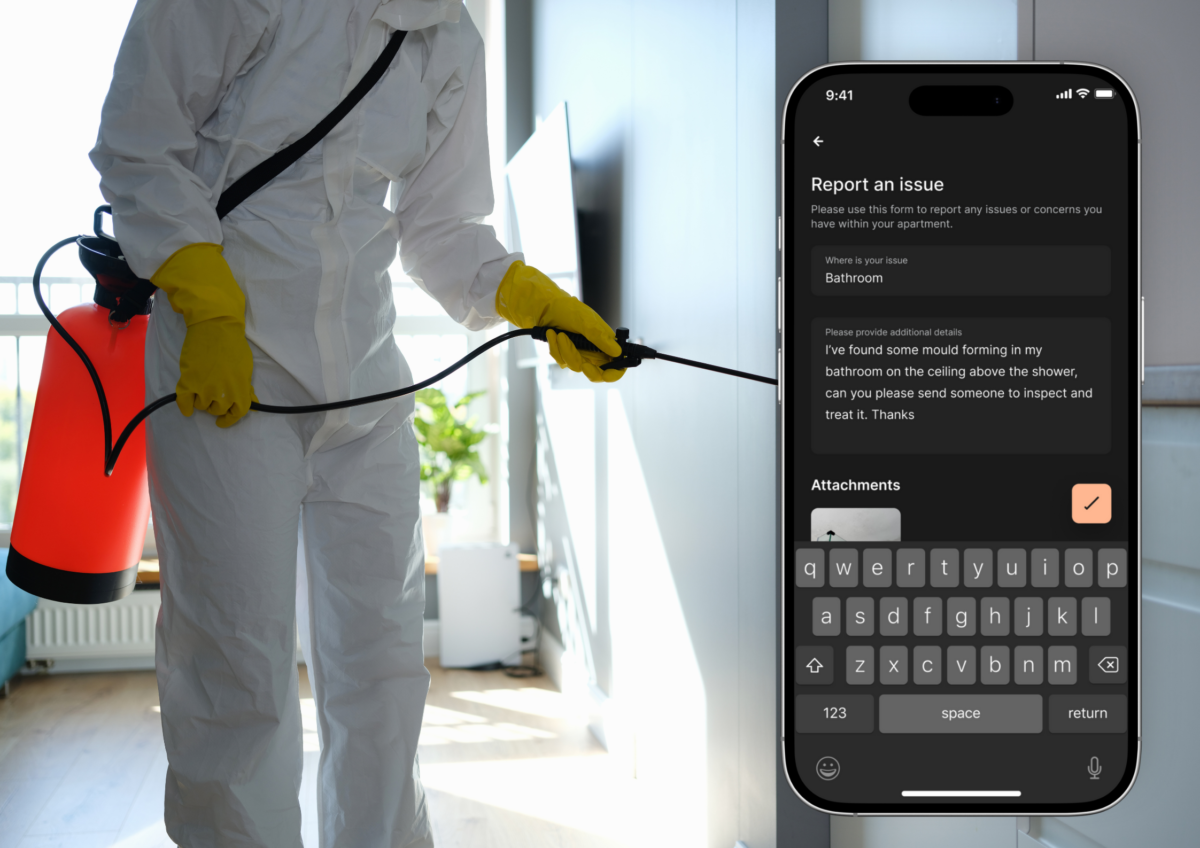
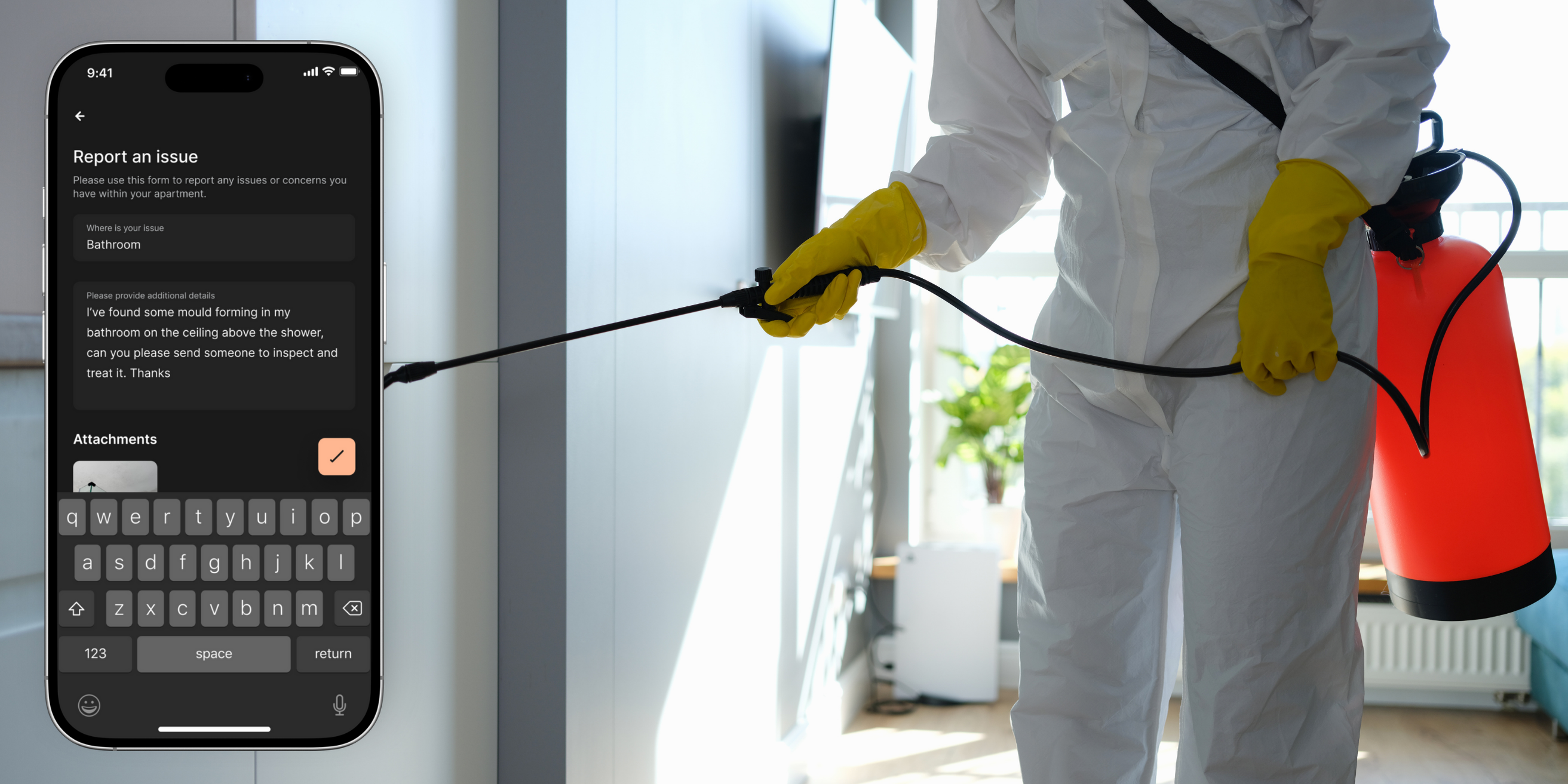
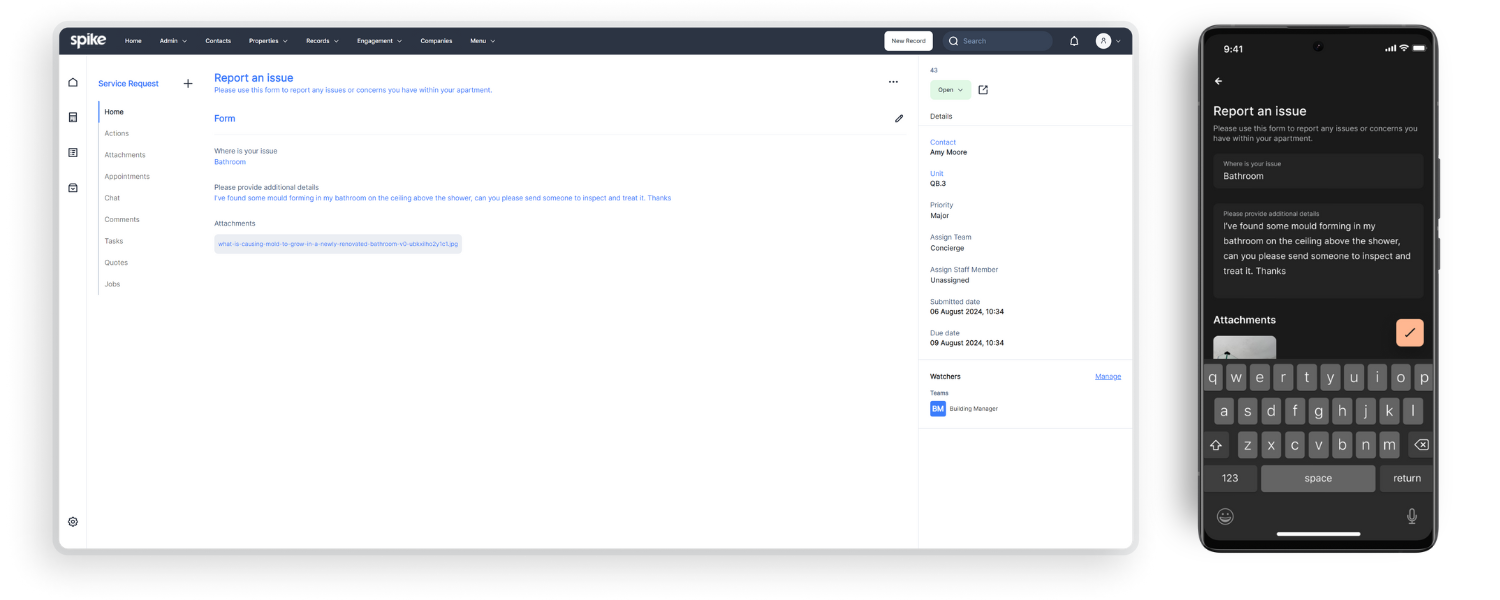
With Spike Living, tenants can easily report damp and mould issues through the platform, ensuring their concerns are logged promptly. Property managers are immediately notified, enabling fast action to address the issue. The platform’s built-in messaging system allows seamless communication with residents, ensuring they are informed of progress and outcomes.


The platform integrates with tools like Fixflo, enhancing the repair and maintenance workflow. This ensures that reports are automatically transferred to the correct teams for action, allowing residents’ concerns to be addressed promptly and efficiently. 


2.) Maintenance Tracking and Scheduling for Proactive Maintenance 
Preventative measures, such as regular property inspections and maintenance checks, can go a long way in identifying and mitigating damp and mould risks before they become major issues. Ensure your team is trained to spot early signs of these problems.


Spike Living allows property managers to schedule, set reminders for regular property inspections and track maintenance tasks. With a centralised system to manage repairs, you can ensure that any issues related to damp or mould are identified and addressed quickly, before they escalate.


The platform also provides data-driven insights that allow property managers to identify recurring issues across properties. If there are patterns related to damp or mould, this can trigger proactive action, such as improving ventilation or scheduling more frequent inspections in affected areas. 


3.) Documentation and Case Management 
As the report demonstrates, maladministration cases often arise from a lack of thorough documentation. It’s essential to keep records of all communications, repairs, and inspections related to damp and mould issues to avoid potential legal challenges.


Spike Living allows property managers to document all complaints, communications, and resolutions in one place. This feature provides a comprehensive record of all actions taken to resolve damp and mould issues, which is critical for compliance and accountability, especially when dealing with regulatory bodies or in the event of a dispute.

Conclusion: A Call to Action for Property Managers

As the Housing Ombudsman report and Awaab’s Law highlight, it’s clear that the traditional methods of property management may no longer be sufficient to meet the demands of today’s regulatory environment. Property managers must embrace a more proactive and technology-driven approach to keep pace with evolving regulations and resident expectations.


Spike Living not only helps property managers stay compliant with the latest legislation but also fosters better communication with residents, ensuring that issues like damp and mould are reported and resolved in real-time. By leveraging technology, property managers can stay one step ahead, helping to avoid the pitfalls outlined in the Ombudsman’s report, and ensuring they provide the safest, healthiest living conditions for their residents.


Book a demo today to learn how Spike Living can help you stay on top of damp and mould issues and maintain the safety of your properties. 

Categories
Insight

Spike Nominated for The Property Management Awards 2024

We are excited to announce that Spike has been shortlisted for the PropTech Innovation category at the prestigious News On The Block Property Management Awards (PMAs) 2024. This nomination celebrates our commitment to driving technological innovation within the property management sector, recognising Spike as a leader in transforming property operations and resident engagement through our revolutionary technology solutions.


A Year of Innovation and Excellence 

Over the past 12 months, Spike has focused on driving efficiencies, enhancing communication, and ensuring compliance across the property management sector. We are proud to be trusted by over 100 property management companies worldwide, serving more than 100,000 residential units. In 2024, we launched a significant software upgrade, making our market-leading resident engagement platform, Spike Living, even more user-friendly, allowing property managers to streamline day-to-day operations, automate manual tasks, and gain greater visibility over building safety and resident engagement.


Spike Living has helped clients reduce communication time by 89% and time spent on repetitive tasks by 76%. With an average 87% adoption rate of our resident app, we are leading the way in transforming the property management experience, delivering tangible results to our clients.

Shaping the Future of Property Management 

Spike’s platform is at the forefront of innovation, enabling property professionals to automate routine processes, centralise data, and significantly improve their operational efficiency. By integrating with finance, CRM, and maintenance systems, we offer a holistic view of property management operations. With Spike, tasks like service charge updates, defect reporting, and fire safety communications are simplified, and essential information is accessible to residents, ensuring compliance with the Building Safety Act 2022.


The industry’s adoption of technology is critical, and Spike is proud to be part of the movement that helps property managers modernise their operations and create safer, more engaged communities.


Leading the Way in Resident Engagement and Compliance 

Our technology is not just about improving efficiency; it’s about creating stronger, more transparent relationships between property managers, tenants, and leaseholders.


As the Hackitt inquiry highlighted, the lack of access to safety information and poor engagement with residents can have severe consequences. Spike Living ensures that building managers remain compliant, while also giving residents the tools they need to manage their own properties effectively.


With Spike, property professionals have the technology they need to meet today’s challenges, while preparing for the future of the property industry.


Celebrating Industry Achievements 

We are incredibly grateful to the judges for considering Spike for this award and recognising our contribution to the industry. The award ceremony will take place on 21st November 2024 at City Central, at the HAC, and we look forward to celebrating the achievements of the sector alongside the most forward-thinking companies in property management.


For the full award shortlist, click here. 


Thank you once again for this honour, and we look forward to continuing our journey of innovation and excellence in the property management industry.

Categories
Insight

Running for a Cause: Spike Supports Hope for Food at Run Bournemouth 2024

Last Sunday, team Spike joined thousands of runners for the annual Run Bournemouth 2024 event, with Jack, Aaron, and Ben taking on the Supersonic 10k route. The race started at Hengistbury Head and ended at the iconic Bournemouth Pier, with our team powering through the scenic coastal course – all in the name of raising awareness and funds for Hope for Food, our Charity of the Year.


At Spike, community is at the core of our values, and supporting charities like Hope for Food is a natural extension of that commitment. Hope for Food is a charity close to our hearts because of the vital services they provide to individuals and families in need. Their work ensures people have access to meals, food parcels, clothing, and basic household items, giving hope and dignity to those facing hardship. We are proud to support their mission, as it aligns with our dedication to building strong and supportive communities.

Participating in this event wasn’t just about crossing the finish line, it was about running with purpose; to make a tangible impact on our community and support those in need within our local communities. Hope for Food tirelessly works to combat food insecurity, and by running this race, Jack, Aaron, and Ben aimed to make a meaningful contribution to their efforts. 


We couldn’t be prouder of their dedication and hard work in training and running the 10km. Taking on the challenge wasn’t easy, but their strong performances, combined with their commitment to the cause, made their efforts even more impactful.


We’d also like to extend a massive thank you to everyone who has donated so far. Your contributions directly support Hope for Food’s mission, and if you haven’t had the chance yet, there’s still time to get involved. Every bit helps make a difference to those facing hardship in our community. You can donate through our JustGiving page here.

Categories
Insight

Why Property Managers Need a Leaseholder App: The Modern Approach to Communication 

In today’s fast-paced, tech-driven world, property management is evolving. As landlords get younger and tenants increasingly rely on apps, the need for a tenant and leaseholder app has never been more critical. Property managers must adapt to these shifts to streamline communication, improve efficiency, and meet the rising expectations of tech-savvy landlords and tenants.


Here are 4 reasons why property managers should be looking to introduce a leaseholder app into their business:


1. The Changing Demographics of Landlords

The average age of landlords acquiring new rental properties with buy to let mortgages has fallen over the past decade, driven by strong growth in the proportion of landlords in their 30s. Paragon Bank analysis of industry data shows that the average age of buy to let landlords acquiring new property with a mortgage fell from 46.4 years of age in 2014 to 42.9 last year. The reduction in age has been driven by the proportion of purchases amongst landlords in their 30s increasing over the period. In 2014, 21% of purchases with a buy to let mortgage were made by a landlord in their 30s, compared to 31% last year.


Millennials and Gen Z landlords have grown up with smartphones and are accustomed to handling nearly everything via apps – from banking, organising their social life to shopping. They are increasingly expecting the same ease and efficiency when managing their properties. They no longer want to rely on traditional methods such as emails, letters, or phone calls to Instead, they seek the convenience of handling everything from a single, user-friendly app, with over 80% believing that apps are a convenient or must-have feature for property managers. 


2. Real-Time Communication and Responsiveness 

Property managers are responsible for managing a property owner’s assets. As such, open communication becomes key when it comes to updates on the condition of the property, financial reports and other key details. This also helps establish a sense of reliability and trust between property owners, property managers and tenants.


One of the key benefits of having a leaseholder app is the ability to send and receive messages in real-time, whether it’s an urgent maintenance issue or a general update on upcoming works, property managers can quickly communicate this information with the knowledge that its much more likely that their message will be seen. Whilst emails typically have a 20% open rate, push notifications typically have anything from 50% to 95% open rate.


In addition, for leaseholders, this means they no longer must wait on the phone or send an email into the void, hoping for a response. They can submit requests, ask questions, and receive updates via their app instantly. By keeping owners informed, you can make them feel reassured in your ability to professionally manage their investment.


3. Centralised Management

Providing a platform that leaseholders can easily access empowers them to self-serve and obtain key information independently. This includes frequently asked questions, fire safety procedures, and the latest community news. With all this information readily accessible, leaseholders can often find what they need without having to contact their property manager. Furthermore, Spike’s solutions offer transparent insights into financial transactions, allowing leaseholders to view detailed service charge statements and transaction histories, which ensures clarity and accountability in financial matters. Additionally, they can also make service charge payments electronically, further enhancing transparency and convenience.


4. Increased Efficiency for Property Managers

Efficiency is the cornerstone of good property management, and instead of juggling multiple platforms like email, text, or phone calls, having a single app in place can provide a unified system. It allows property managers to track all conversations and requests, ensuring nothing falls through the cracks. This reduces administrative burdens, freeing up time for more strategic tasks.


Furthermore, Spike automates many of the manual and time-consuming tasks that a property manager must perform, such as sending out service charge statements reminders, inspection reports, and other important documentation, saving time and reducing the administrative workload.


As Spike maintains a clear audit trail of correspondence, with all activities logged against a property, resident and leaseholder, this forms a key part of the golden thread, helping property managers comply with the record-keeping requirements of the Building Safety Act 2022. This ensures that every interaction is documented which can be used as evidence in case of future disputes.

Summary

As the property management landscape continues to evolve, property management apps are no longer a luxury—they’re a necessity. With younger landlords embracing technology and residents relying on apps for their day-to-day interactions, property managers must adapt to stay competitive.


A leaseholder app improves communication, increases efficiency, and fosters a sense of community, making it an essential tool for modern property management. Embracing this technology is not just about keeping up with the times; it’s about creating a better experience for both leaseholders and property managers. 

Categories
Insight

Spike Nominated for The Negotiator Awards 2024

We are delighted to share that Spike has been nominated for the Supplier of the Year (Technology) – Apps award at The Negotiator Awards 2024!


This nomination is a testament to our dedication to delivering innovative solutions that address the most pressing challenges in property management today. By streamlining processes, improving compliance, and elevating tenant engagement, Spike is not just a technology provider – we’re a partner in creating safe, connected, and vibrant communities.

Tackling the Challenges in Property Management

The property management landscape is facing unprecedented challenges due to recent changes in building safety legislation, evolving tenant expectations, and the increased emphasis on community engagement. At Spike, we understand that property managers are juggling complex tasks – whether it’s ensuring compliance with regulatory changes, fostering a sense of community, or maintaining seamless communication with tenants and leaseholders. 


A recent survey by the Health and Safety Executive found that only 50% of tenants are satisfied with their building management companies. This statistic highlights the pressing need for improved communication and transparency, and it’s an area where our solutions have made a significant impact. 

How Spike Are Addressing Current Needs

Our solutions are designed to address the most pressing challenges in the industry. Here’s how our solutions stand out:


  1. Compliance with Building Safety Legislation: Spike’s platform offers property managers full visibility of every tenant and leaseholder within a building, making it easier to stay compliant. 
  2. Enhanced Communication: Communication breakdowns have long been a pain point in the sector. With Spike’s tenant portal, we have achieved an impressive 87% uptake across our client base, allowing for effortless, direct communication via push notifications and real-time updates. This ensures that tenants and leaseholders receive essential information promptly and have access to a self-service platform, reducing the need for direct contact. 
  3. Automating Manual Processes: Property managers often spend up to 288 hours annually on repetitive tasks, such as service charge notifications and defect reporting. Our system automates these tasks, resulting in an 89% reduction in communication time and a 76% decrease in time spent on repetitive processes, freeing up managers to focus on delivering exceptional service. 
  4. Centralised Data and Integration: Spike integrates seamlessly with finance, CRM, and maintenance systems, providing a single, unified view for property managers. This centralised approach not only enhances operational efficiency but also strengthens the golden thread of information, ensuring that all data is easily accessible and up-to-date.
Summary

As we continue to adapt and develop our solutions, we remain committed to supporting property managers, tenants, and leaseholders with solutions that not only meet their current needs, but also anticipate future challenges. Our focus on combining technology, community engagement, and regulatory compliance ensures that we remain at the forefront of property management. 


As we eagerly await The Negotiator Awards gala dinner at the Grosvenor House Hotel, London, on 29th November 2024, we extend our gratitude to the judges for recognising Spike’s contributions to the industry.


Congratulations to all the finalists who made the shortlist! We’re looking forward to an exciting night celebrating innovation, excellence, and the future of the residential property industry.


See the full shortlist here.

Categories
Case Study

PATRIZIA Partners With Spike to Enhance Resident Experience at it’s Marietta Woods Development

Spike is delighted to announce that global investment manager, PATRIZIA, has become the most recent client in Ireland to utilise its award-winning resident engagement portal at its Marietta Woods development.


Marrietta Woods, located in Dalkey, a coastal village, ten kilometres south of Dublin city centre, comprises of 101 spacious and very thoughtfully designed apartments, nestled among stunning mature woodland. Residents benefit from a private dedicated pavilion, which houses a gym and residents’ lounge, promoting a healthy and active lifestyle.


Spike has worked with PATRIZIA to create its exclusive resident app, a white-labelled version of the Spike Living portal, designed to enhance the resident experience, and foster a connected, vibrant community.


Through the Marietta Woods app, residents can easily reserve and access onsite amenities, enjoy exclusive events and promotions from local businesses, and view important documentation, including key policies and appliance manuals. Additionally, the app allows residents to submit any queries directly to Hooke and MacDonald, the managing agent, ensuring streamlined communication and prompt resolution of requests.


For staff, the portal streamlines and centralises key operational processes, including the reporting of maintenance issues, delivery management, and the organising and promoting of social events and activities through the Spike Living management dashboard. Additionally, the portal enables staff to share important news and updates about the development instantly via push notifications. 


David Egan, Country Manager & Director of Asset Management at PATRIZIA, comments: The implementation of Spike Living at Marietta Woods is a testament to our ongoing commitment to leveraging technology to enhance the living experience. We believe Spike Living will not only improve day-to-day interactions with staff but also strengthen the sense of community within Marietta Woods.”


Jeremy Heath-Smith, CEO of Spike comments: “We are delighted to be working with PATRIZIA at its latest development in Ireland. Our Spike Living portal provides residents with a seamless, interactive living experience. Additionally, staff benefit significantly from streamlined operations, improved communication with residents, and enhanced efficiency in handling service requests.”