Categories
Insight

5 Ways Operators Can Reduce Resident Loneliness

January can be a challenging month for many residents. Shorter days, colder weather and post-Christmas financial pressure can all impact mental wellbeing, making feelings of stress, low mood and isolation more pronounced.


While Blue Monday is often referenced as a moment to talk about mental health, for residential operators the opportunity goes far beyond a single day. January is a timely reminder to focus on community, connection and resident wellbeing – particularly in Build-to-Rent (BTR) and Co-Living environments.

Who Lives in BTR — and Why It Matters for Wellbeing

Most residents in BTR and co-living developments are aged 25–34 – the same age group most likely to experience loneliness. Recent data shows younger adults are more likely to report feeling lonely “often or always” than older age groups, with nearly one in four adults feeling lonely at least some of the time.


Loneliness is closely linked to poorer mental health outcomes, including anxiety and depression, while strong social connections play a protective role in wellbeing.


For operators, this makes community-led wellbeing and engagement essential, not optional.

How Operators Can Support Resident Wellbeing Through Community:


Not every resident feels comfortable attending events or striking up conversations in shared spaces – especially during winter.

Digital community spaces provide a low-pressure way for residents to connect on their own terms.


Residents can build familiarity, engage around shared interests and feel part of the community – even before meeting in person.


Research by Apartment Life found that the more friends a resident has within their building, the more likely they are to renew their tenancy.


Using Spike Living, operators can create resident-only online groups and channels focused on wellbeing, hobbies or social interaction. These private spaces allow residents to connect safely and organically, often leading to stronger real-world relationships.


Across our client base, we’ve seen online meditation clubs, forums encouraging gratitude and positivity, to general social clubs, enabling residents to build real-life support networks right on their doorsteps.


Physical activity is one of the most effective ways to support mental wellbeing. Mind UK highlights that exercise can improve mood, reduce anxiety and stress, and improve sleep – yet motivation often drops during winter.


When fitness is easy to access and shared with others, residents are more likely to take part and maintain healthy routines.


Spike Living, operators can offer digitally bookable fitness classes, wellness sessions and community challenges in one central, easy-to-access place. This removes common barriers to participation, making it simpler for residents to discover what’s available and get involved.


Clear visibility, seamless booking and timely reminders help drive engagement, while group-based activities add a valuable social layer – helping residents connect with one another while supporting both their physical and mental health.


Loneliness is rarely solved through one-off initiatives. Research consistently shows that regular, low-pressure social interaction plays a key role in building meaningful connection, trust and a sense of belonging.
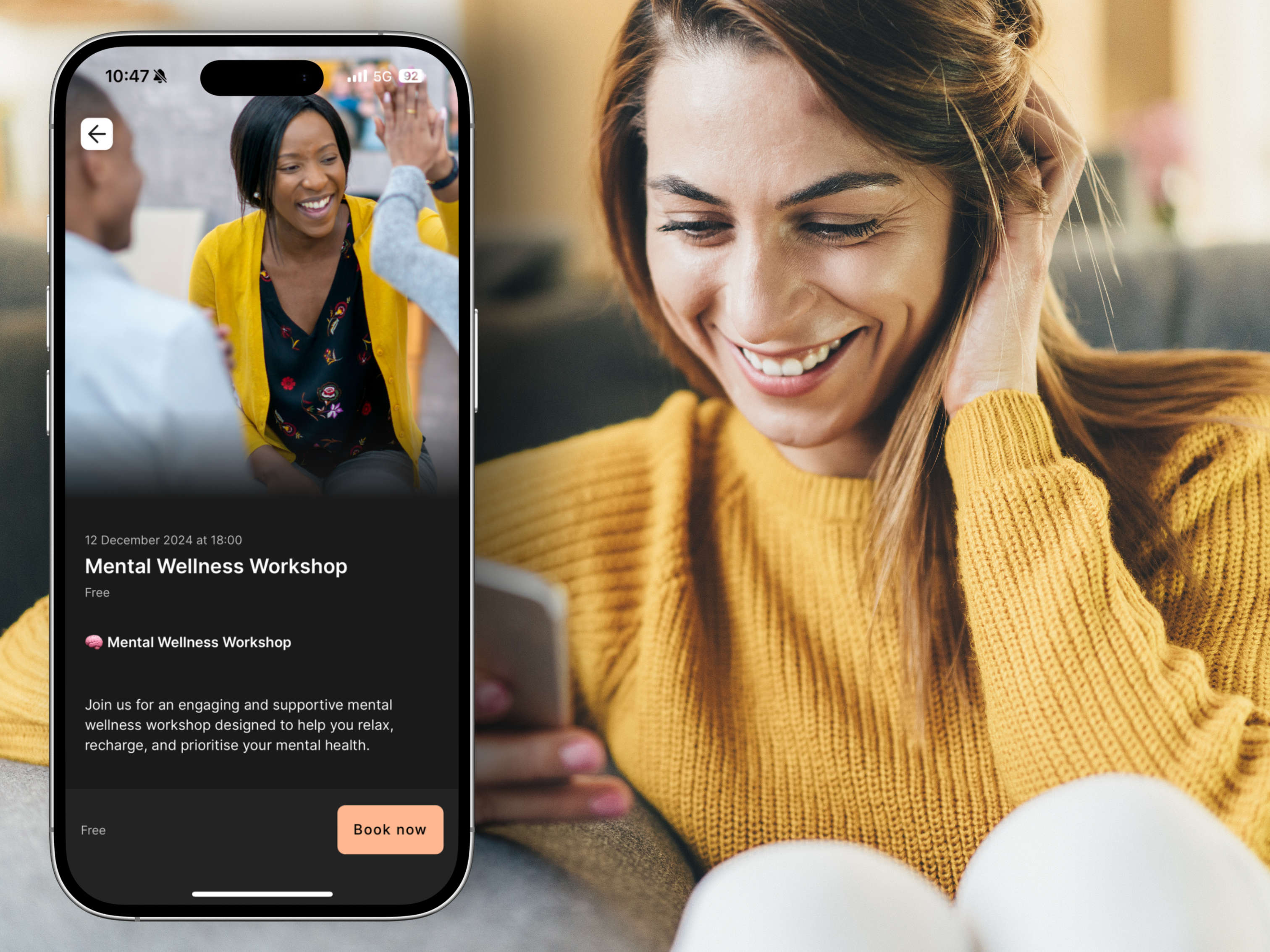


Developments that host consistent social events tend to see higher levels of resident satisfaction and engagement, as residents feel more connected to both their community and the place they live.


With Spike Living, operators can easily promote upcoming events through in-app announcements, ensuring residents are aware of what’s happening within their building.


Automated reminders help keep events front of mind, increasing attendance and participation.


Whether it’s coffee mornings, mindfulness sessions, workshops or informal socials, clear communication and regular touchpoints help normalise social interaction, support new resident integration and strengthen community connections over time.


Access to support matters – but so does visibility. Many residents won’t actively seek out mental health resources, especially during busy or stressful periods. Bringing wellbeing content directly into the resident experience helps normalise self-care and makes support easier to engage with.


A dedicated wellbeing hub gives residents on-demand access to trusted resources, encourages proactive mental health habits, and positions wellbeing as an everyday part of community life rather than a reactive measure.


With Spike Living, operators can create dedicated Resident Wellbeing Hubs using the content feature.


This allows teams to centralise and regularly update:


  • mindfulness and stress-management tips
  • mental health resources and signposting
  • workout and movement videos
  • seasonal wellbeing content tailored to resident needs

By housing this content in one familiar, resident-only space, operators make it easier for residents to engage with wellbeing support – whether they’re looking for guidance, inspiration or a moment to reset.


Dedicated wellness-focused amenities – such as meditation rooms, quiet zones or wellness studios – give residents space to step away from everyday pressures and reset without leaving their building. These spaces support relaxation, balance and mental clarity.


Wellness amenities that are easy to access and actively promoted see higher usage, support resident mental health and add tangible value to the overall living experience.


Using Spike Living’s space booking feature, residents can self-serve by viewing availability and booking wellness amenities themselves. This removes friction for residents, reduces admin for on-site teams, and encourages more consistent use of shared spaces.


Regular promotion through the platform helps ensure these amenities become an active, everyday part of resident life – rather than underused features.


Looking Beyond Blue Monday

January offers operators an opportunity to embed wellbeing into the resident experience year-round. With Millennials forming the core demographic of BTR and co-living communities – and also being among the most loneliness-affected age groups – community-led engagement has never been more important.


By combining digital engagement, real-world connection and accessible wellbeing content, platforms like Spike Living help turn buildings into genuine communities – supporting mental wellbeing, reducing isolation and strengthening resident relationships long after January ends.


If you’d like to see how these features work in practice – from resident wellbeing hubs and digital communities to event promotion, fitness bookings and targeted communications – we’d love to show you.


👉 Book a demo of Spike Living to explore how you can drive resident wellbeing, engagement and connection within your developments.
Categories
Insight

2026: The Year Residential Living Changes – Are Your Residential Systems Ready? 

2026 isn’t bringing gentle change.
It’s bringing pressure – on systems, teams, and the way residential operations really work.


Rental reform, rising resident expectations, and increased regulatory scrutiny are converging at the same time, and they are exposing a hard truth for residential operators: many existing systems were not designed for the way residential living now operates.


So the real question as we head into 2026 isn’t just what’s changing — it’s:

Are your teams truly ready for what comes next?


This blog explores the forces reshaping residential operations in 2026, from legislative change to rising service expectations, and what they mean in practice for property teams on the ground.


Because the operators who feel confident in 2026 won’t be the ones working harder.
They’ll be the ones working differently.


Fire safety obligations continue to tighten, with frameworks such as PAS 79:2020 reinforcing the need for structured, documented fire risk assessments and clear resident communication around building safety.


At the same time, the Renters’ Rights Act is changing the fundamentals of tenancy management. With the abolition of Section 21, operators must now rely on Section 8 grounds – meaning possession cases will depend on evidence, not process shortcuts.

Together, these changes point to one reality:

In 2026, compliance is no longer about having the right policies.
It is about having the right operational records.

Operators must now be able to clearly prove:

  • What residents were told
  • When they were told
  • How issues were handled
  • What actions were taken
  • And whether behaviour and payment history support any formal action

This requires far more than good intentions.
It requires auditable systems.

The Operational Challenge

For many operators today, this information is still spread across:

  • Emails
  • Maintenance platforms
  • Paper records
  • Individual staff knowledge

When evidence lives in fragments, risk increases.

Whether it’s demonstrating fire safety communication, responding to a complaint, or preparing a Section 8 case, operators need a clear, defensible record of resident activity, behaviour, and engagement.


Spike Living creates a single operational layer across your portfolio where:

  • Resident communication is automatically recorded and time-stamped
  • Interactions and behaviour are logged in one place
  • Payment history and issue resolution can be viewed as part of a wider resident record
  • Compliance activity becomes auditable by default

For tenancy enforcement under the Renters’ Rights Act, this means operators can move from uncertainty to confidence.

A Section 8 process can be initiated directly from the staff dashboard, supported by:

  • Clear guidance and instructions for teams
  • Structured workflows
  • And the full history of resident communication and activity already in place

Instead of scrambling to assemble evidence, operators start from a position of strength.

Compliance stops being reactive, and starts becoming operationally built in.


In 2026, residents are no longer judging operators purely on the quality of the home – they are judging them on the quality of the experience.


Recent industry insight shows that what renters value most going into 2026 is a smooth, transparent renting experience – one that makes communication clear, processes simple, and issues easy to track. And increasingly, they also expect to be able to self-serve.

In practice, this means residents now expect:


  • One clear place to find information
  • The ability to log and track issues themselves
  • Real-time visibility on repairs and requests
  • Consistent communication on building matters

These are no longer “nice to haves”, they are baseline expectations.


When this experience breaks down, dissatisfaction escalates quickly — not just into frustration, but into complaints, reputational damage, and regulatory exposure. Because in today’s environment, poor experience doesn’t stay private. It becomes feedback. Reviews. Ombudsman cases. Formal complaints.


The issue isn’t that operators lack systems, it’s that residents experience those systems as fragmented.


Spike Living becomes the resident-facing front door to your operation.

Residents can self-serve where it makes sense – accessing information, logging requests, tracking updates – while still knowing support is there when they need it.


Maintenance updates, building notices, deliveries, events, and key communications are surfaced in one consistent experience – even when they originate from different operational systems behind the scenes.


Residents gain clarity and confidence and stop chasing.
Teams gain control and visibility and stop firefighting.

Experience stops being a risk – and starts becoming a strength.


In 2026, portfolios are larger, teams are leaner, and scrutiny is higher.


Yet many operators are still relying on:

  • Emails for critical updates
  • Standalone tools that don’t talk to each other
  • Manual workarounds to connect the dots

This doesn’t scale, and under pressure, it breaks. Fragmentation doesn’t just create inefficiency — it creates risk.


When communication is inconsistent and records are scattered, compliance becomes stressful and reactive. Evidence is hard to find. Processes are hard to prove, and teams are left hoping nothing important has been missed.


The strongest operational trend in 2026 is not “more tech”, it’s better-connected tech.


Spike Living doesn’t replace the systems that already work — it connects them.


By integrating with finance platforms, maintenance systems, parcel solutions, access control systems and more, Spike Living creates a joined-up operational view, while presenting residents with one clear, simple experience.


Communication, updates, and resident interactions are centralised. Evidence is created automatically. Compliance becomes an outcome of good operations — not a separate task teams have to remember to manage.


That’s the difference between managing risk and constantly worrying about it.


The question operators face this year isn’t: “How do we keep up?”
It’s “Do our systems support the way residential living works now?”


Because in 2026:

  • Communication is no longer optional — it’s foundational

  • Compliance is no longer separate — it’s embedded

  • Experience is no longer a differentiator — it’s expected

Spike Living is designed for this reality — bringing together communication, compliance, and operations into one connected experience that supports the way modern residential portfolios truly operate.


If 2026 is the year you want to:

  • Reduce operational risk
  • Strengthen compliance without extra admin
  • Meet rising resident expectations
  • Replace fragmentation with clarity

Then it’s time to rethink how your systems work together.

👉 Book a demo of Spike Living and see how it can fundamentally change the way you operate — giving you the structure, visibility, and confidence you need for 2026 and beyond.
Categories
Insight

Digital Documents: The Key to Less Admin & More Productivity

In an era where digitalisation is reshaping industries, property management is no exception. The UK government’s push towards digitalising key data and documents highlights the growing need for secure, efficient, and easily accessible documentation systems. This is something we at Spike have long advocated for – and already offer – through Spike Living’s document management feature. 

Access to Key Documentation

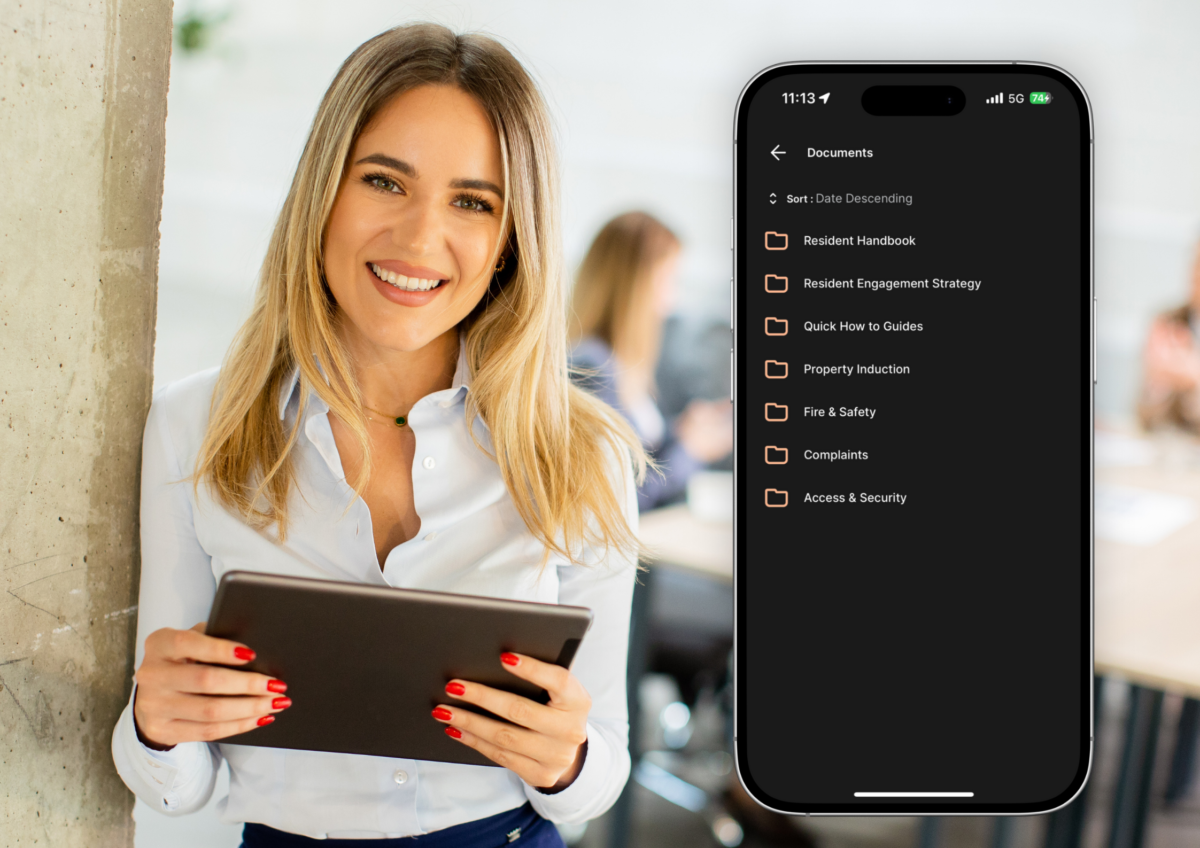
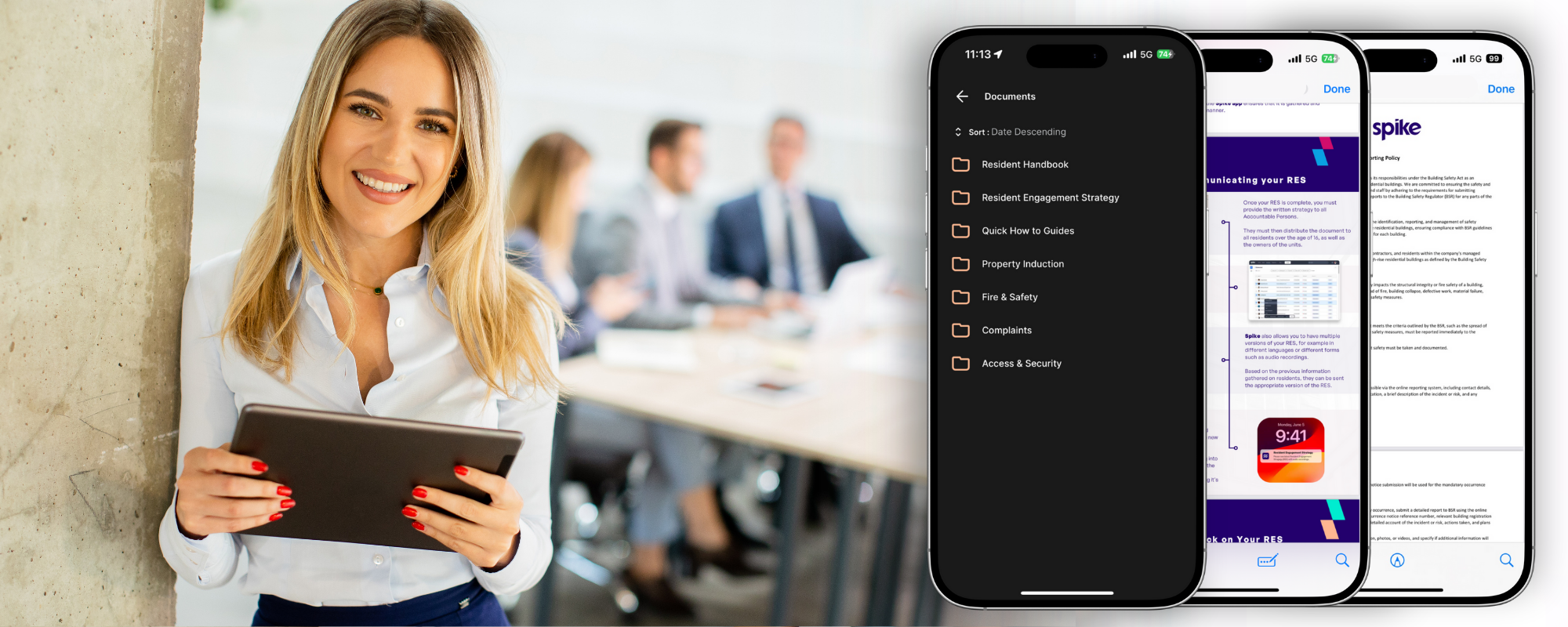
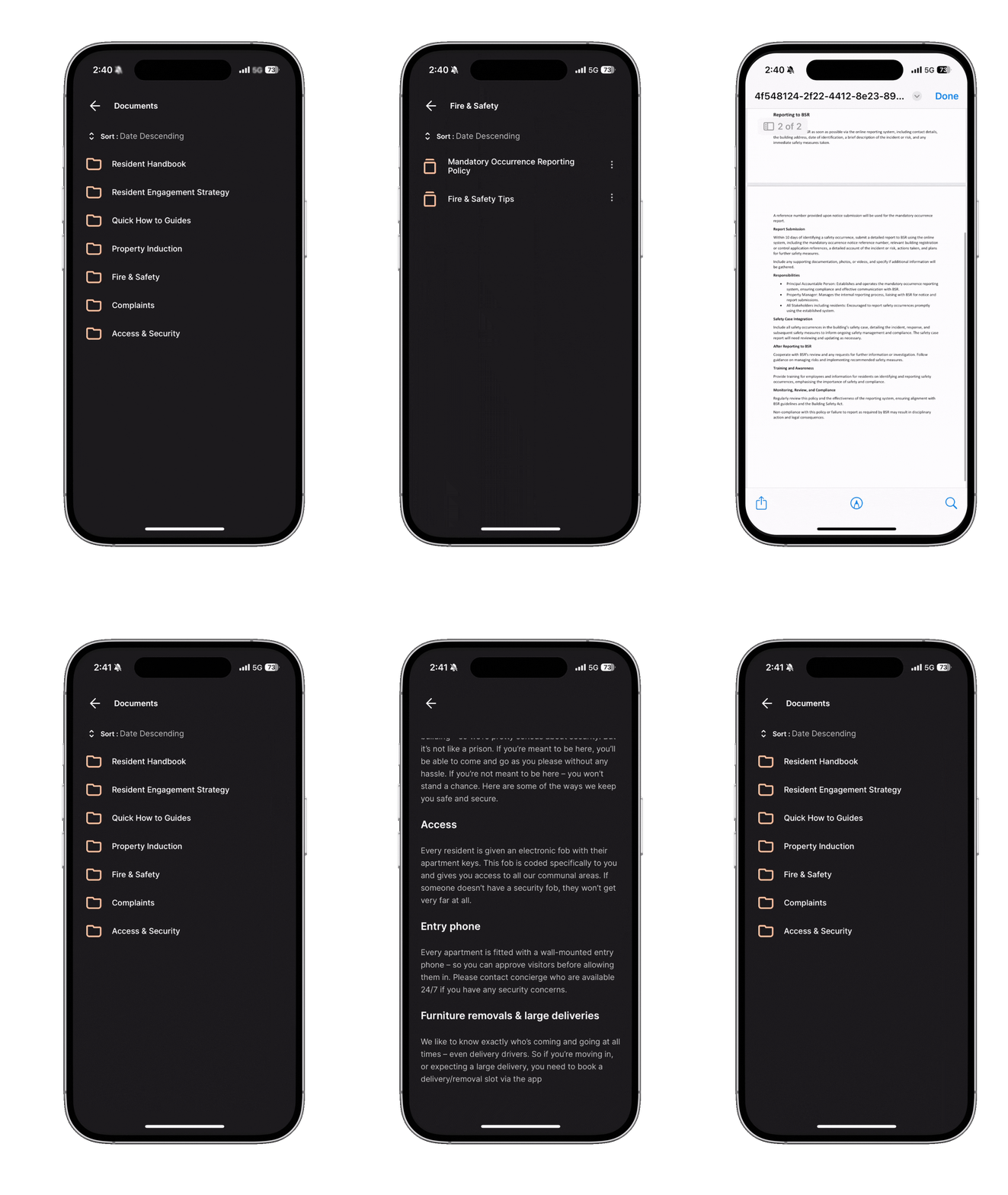
Gone are the days of rifling through stacks of paper or chasing down misplaced documents. With Spike Living, all essential documentation is stored in one secure digital location, allowing residents and property managers to access them instantly. 


Residents can view crucial documents such as rental agreements, move-in checklists, and, most importantly, fire and safety information, including the Resident Engagement Strategy (RES). This ensures that key compliance-related documents are always available when needed, enhancing transparency and accountability within property management practices. 


Beyond just storage, Spike Living enables property managers to automate document distribution. If there’s an update to fire safety procedures or changes to the RES, notifications can be sent instantly via push notifications and emails, ensuring residents receive the latest information promptly. This proactive approach not only keeps everyone informed but also helps property managers maintain compliance without manual follow-ups. 

Centralised Management for Residents and Property Managers

For residents, having a centralised platform like Spike Living means they can self-serve and access important information without having to contact their property manager. Frequently asked questions, fire safety procedures, and community updates are all available at their fingertips. Moreover, residents can gain transparency into their financial transactions, accessing detailed service charge statements, transaction histories, and even making payments electronically – enhancing both clarity and convenience. 


Property managers also benefit significantly from digital documentation. Rather than sifting through physical files or searching email archives, they can instantly retrieve any necessary document from Spike Living’s platform, no matter where they are. This ease of access saves time, reduces administrative burden, and ensures that compliance requirements are met efficiently. 

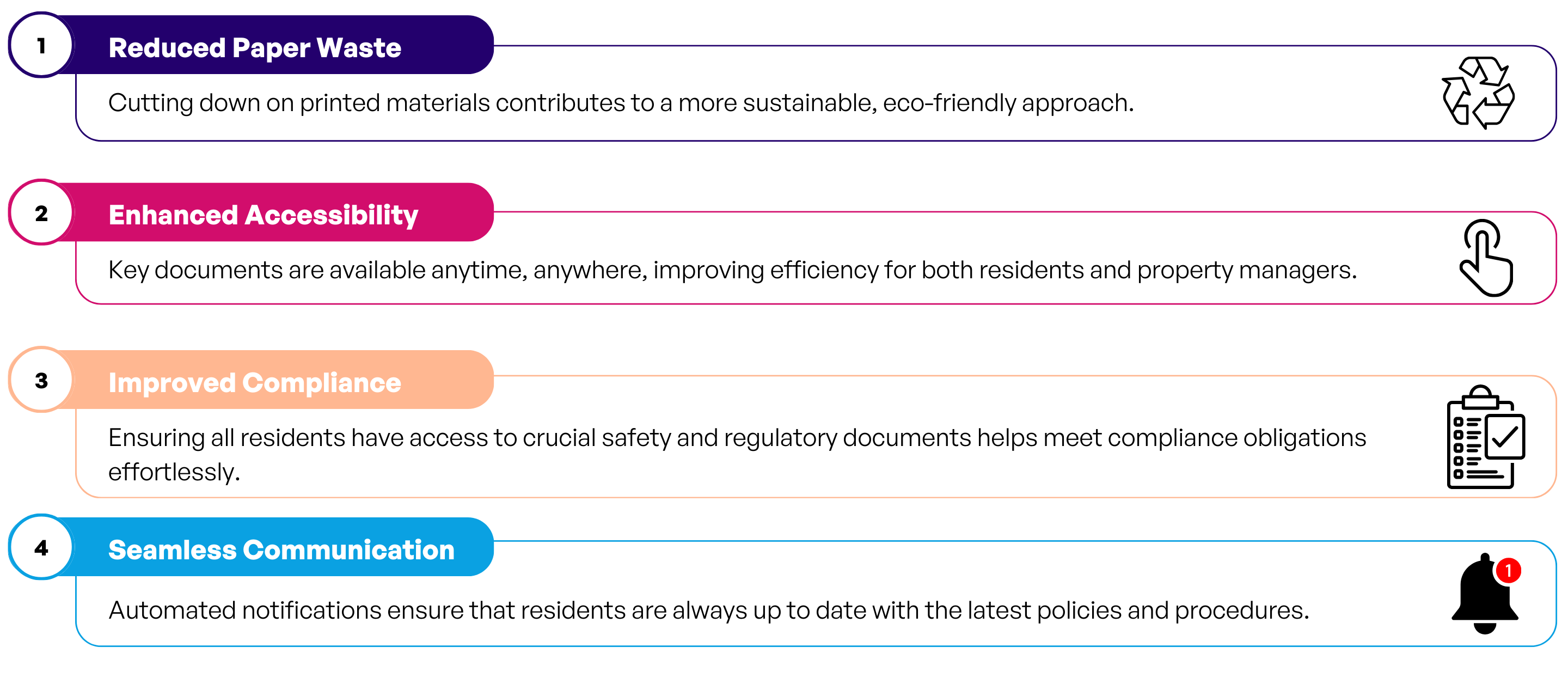
The Benefits of Digital Documentation

Adopting a digital approach to document management offers a multitude of advantages:

Future-Proof Your Property Management with Spike Living 

The shift to digital documentation is no longer a luxury – it’s a necessity. With ever-changing regulations and increasing expectations from residents, property managers need a solution that simplifies operations, enhances transparency, and ensures compliance.


Spike Living empowers property managers with a streamlined, secure, and highly efficient document management system, saving time and eliminating unnecessary stress. 


Don’t get left behind. Discover how Spike Living can upgrade your document management and take your property operations to the next level. Get in touch with us today to learn more!